




Vacuum Packaging
Long-lasting freshness and safety – advanced vacuum packaging for uncompromised food quality.

Greater Water Vapor Barrier

Greater Resistance to Low Temperatures

Greater Oxygen Barrier

Greater Barrier to Fats and Oils

Easy-Open Packaging

Vacuum Packaging
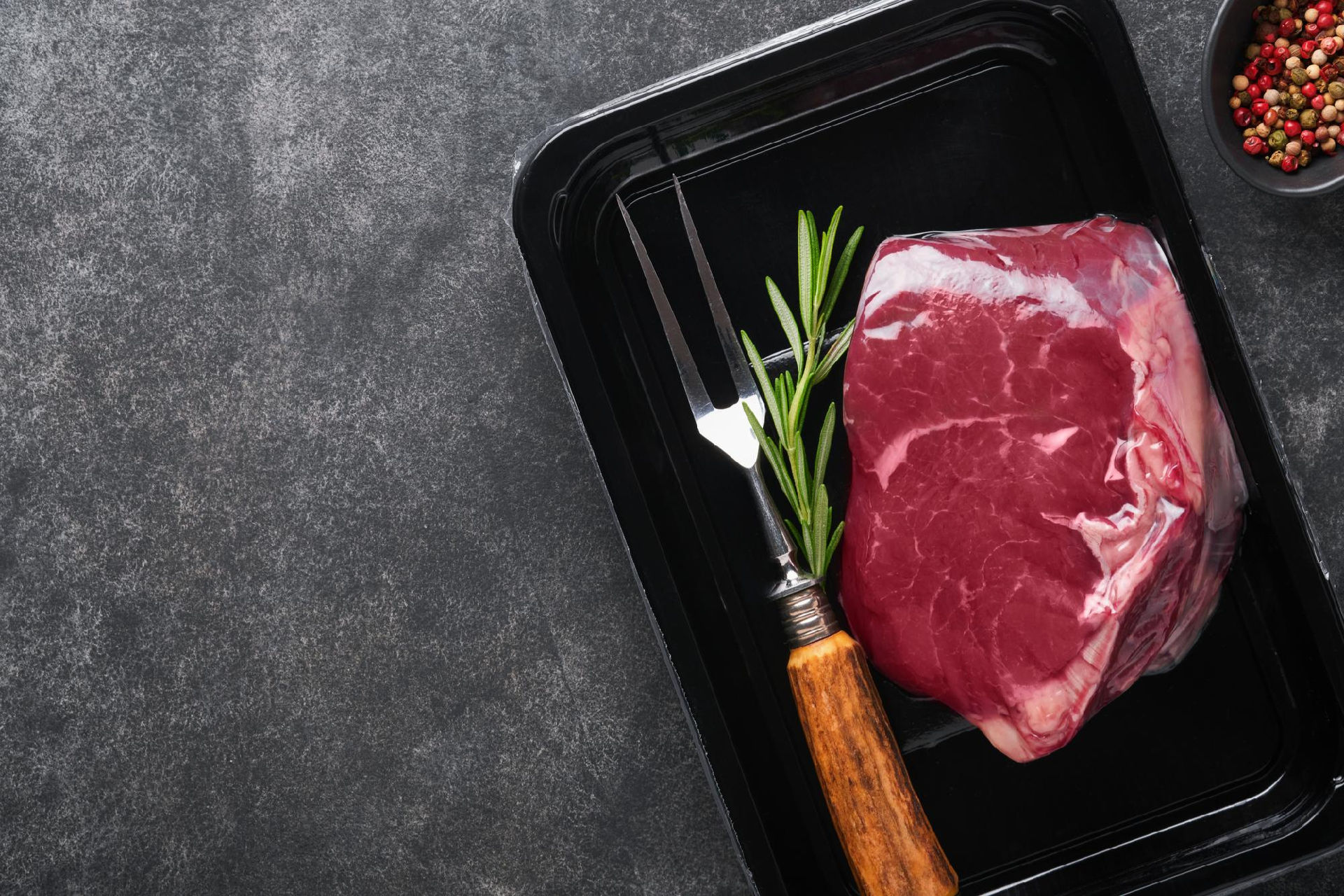
Vacuum packaging represents the gold standard for protecting fresh and processed meat, fish, vegetables, and fruit from harmful external influences. This type of packaging is specifically designed to prevent contact between the product and oxygen, moisture, and microorganisms—crucial for preserving the nutritional, microbiological, and sensory properties throughout the declared shelf life.
Specific features of vacuum packaging materials:
-
Greater resistance to fats and oils
Materials are engineered to completely prevent the migration of fats and oils, maintaining hygiene, preventing greasy stains on the packaging, and preserving the product’s original texture even during long-term storage. -
Easy opening (easy open)
Modern vacuum packaging enables simple, controlled, and hygienic opening without tearing or spilling the contents. This feature is especially important for ready-to-eat and delicatessen products, as well as for convenient use in households or food service. -
Greater oxygen impermeability
The key function of every vacuum package is a complete barrier to oxygen, which prevents fat oxidation, the development of undesirable microorganisms, and the loss of color and aroma. This property directly extends freshness and food safety. -
Greater water vapor impermeability
An effective barrier prevents the ingress of external moisture or loss of internal moisture, preventing changes in texture, drying out, or condensation inside the package. -
Enhanced resistance to low temperatures
Materials used in vacuum packaging are characterized by stability and the preservation of all protective properties even at freezing and deep-chilling temperatures. This ensures product safety and quality throughout the entire logistics chain, from factory to end consumer.
Thanks to these characteristics, vacuum packaging is an essential choice for:
- all types of fresh and processed meat (ham, sausages, cured meats, bacon, dried meat),
- fish and seafood,
- ready-to-eat and semi-finished meals,
- frozen vegetables and fruit,
- cheese, spreads, and products with a high fat content.
Choosing quality vacuum packaging with advanced barrier properties enables a longer shelf life, preservation of freshness and original flavor, food safety, and ease of use—fulfilling the highest standards of the food industry and consumer expectations.
| Symbol | Meaning |
|---|---|
|
Greater water vapor impermeability |
|
Greater oxygen impermeability |
|
Enhanced resistance to low temperatures |
|
Easy opening (easy open) |
|
Greater resistance to fats and oils |
| Material | Water Vapor Barrier | Oxygen Barrier | Barrier to Fats and Oils | Light Protection | Retention of Aroma & Flavor | Suitable for Package Transformation | Low Temperature Resistance |
|---|---|---|---|---|---|---|---|
| OPA / PE | 🟢🟢🟢 | 🟢🟢🟢 | 🟢🟢🟢 | 🟢 | 🟢🟢🟢 | 🟢🟢🟢 | 🟢🟢🟢🟢 |
| PET / AL / PE | 🟢🟢🟢🟢 | 🟢🟢🟢🟢 | 🟢🟢🟢 | 🟢🟢🟢🟢 | 🟢🟢🟢🟢 | 🟢 | 🟢🟢🟢🟢 |
| PET / AL / PP | 🟢🟢🟢🟢 | 🟢🟢🟢🟢 | 🟢🟢🟢🟢 | 🟢🟢🟢🟢 | 🟢🟢🟢🟢 | 🟢 | 🟢🟢🟢🟢 |
| 🟢 | Poor | 🟢🟢 | Moderate | 🟢🟢🟢 | Good | 🟢🟢🟢🟢 | Excellent | 🟢🟢🟢🟢🟢 | Outstanding |
Material Structures and Technological Specifics of Vacuum Packaging
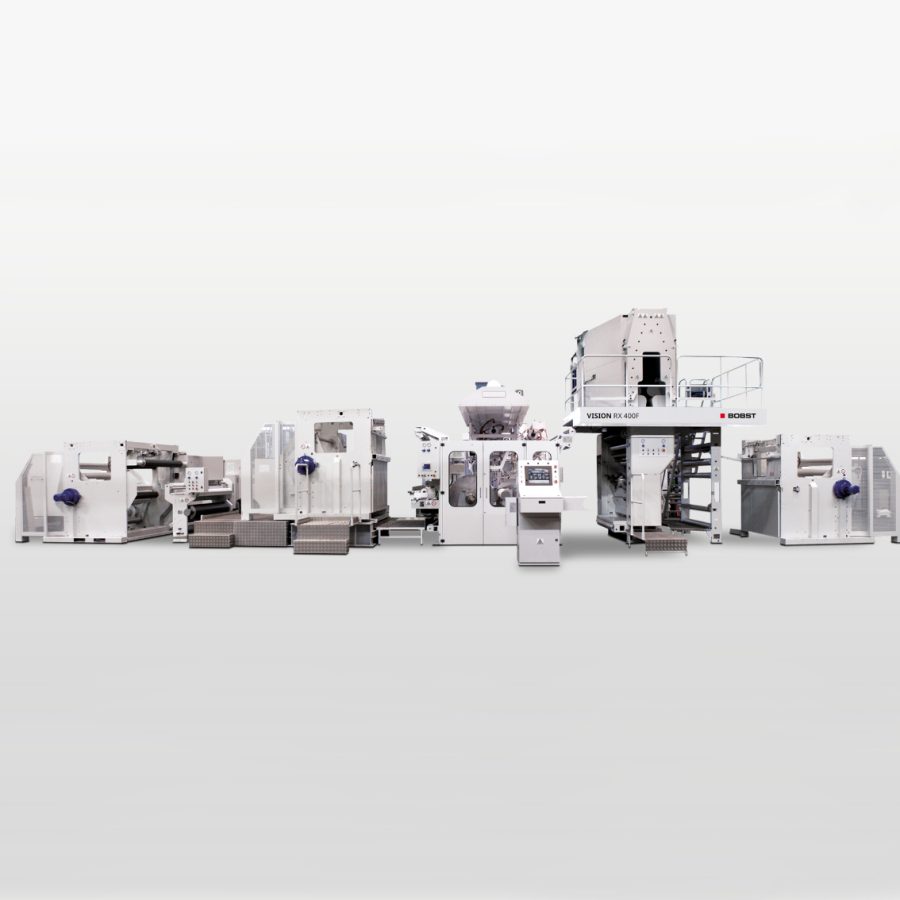
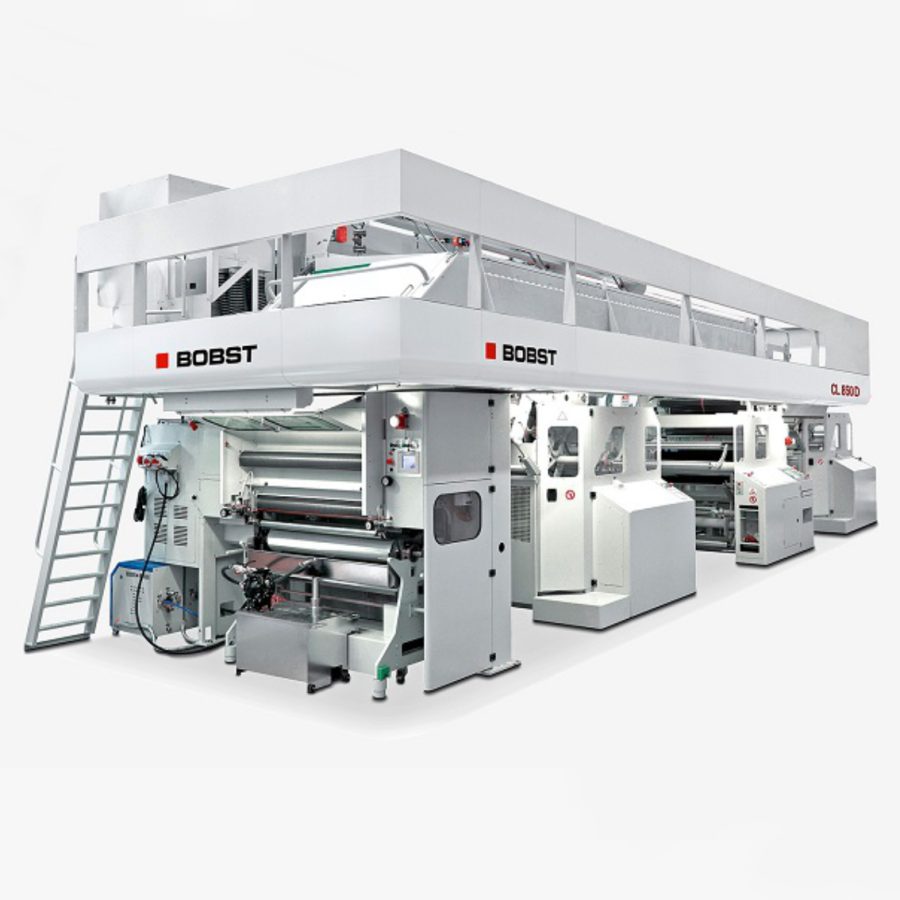
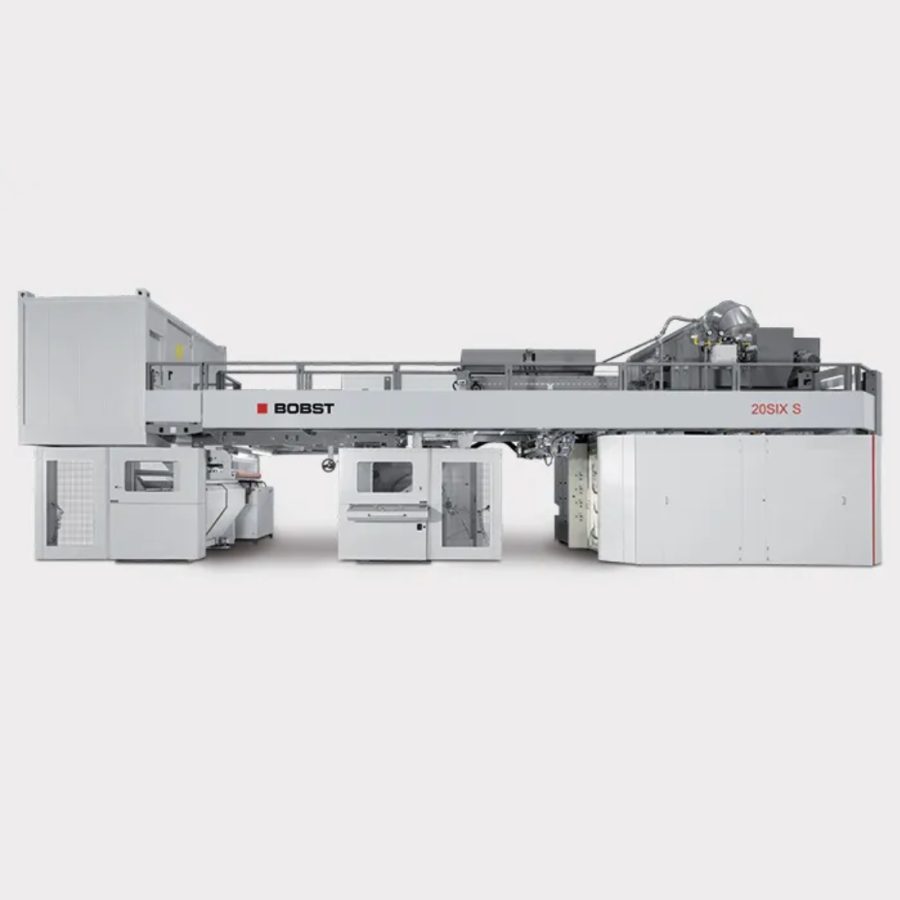
Production Specifics of Vacuum Packaging
Manufacturing vacuum packaging requires a high level of technological precision to ensure complete barrier performance and long-term package stability.
The key stage is the lamination of multilayer materials (OPA, PET, AL, PE, PP), where a homogeneous structure must be achieved without micropores or irregularities that could compromise impermeability to water, oxygen, and fats. Vacuum packaging materials are tested for sealing strength, low-temperature resistance, and the ability to withstand vacuum and freezing processes without loss of integrity or aesthetic properties.
Special attention is given to the selection of polymers and aluminum layers for optimal flexibility, ease of transformation, and mechanical durability during handling, transport, and storage.
Products in this Category
Vacuum packaging made from these materials is used for packaging:
- Raw and processed meats (hams, sausages, pancetta, roast, dry and smoked meats)
- Fish and seafood (fillets, smoked fish, shellfish)
- Cheeses, fatty spreads, and delicatessen products
- Ready-to-eat and semi-prepared meals
- Frozen and partially frozen fruits and vegetables
- Specialty food items (gastronomy products, protein and functional meals)
Material Specifics: OPA / PE
The multilayer combination of polyamide (OPA) and polyethylene (PE) provides:
- Good balance of barrier properties against water vapor, oxygen, and fats
- Excellent low-temperature resistance – ideal for deep freezing and long-term storage
- Easy processing and excellent flexibility – suitable for automated vacuum sealing and package forming
- Moderate light protection – suitable for products less sensitive to UV exposure
PET / AL / PE
Aluminum-layer laminate provides:
- Exceptional barrier against water vapor, oxygen, odors, and aromas
- High low-temperature resistance
- Basic suitability for forming – maintains stability even under deep freezing
- Complete light protection – prevents color, flavor, and nutrient degradation
- Recommended for meat, fish, and products especially sensitive to oxidation and light exposure
PET / AL / PP
Combination provides:
- Highest protection from external influences – perfect barrier against moisture, oxygen, fats, light, and odors
- Excellent resistance to thermal changes – ideal for packaging that will be reheated or frozen
- Stability and strength – easy forming and compatibility with easy-open systems
- Ideal for ready meals, delicacies, and food items requiring extended shelf life
Common Technological Features
- Multilayer barrier protection – all listed materials provide outstanding impermeability to moisture, oxygen, and fats, prolonging freshness and product safety.
- Low-temperature resistance – packaging maintains flexibility even during deep freezing, protecting contents throughout the logistics chain.
- Packaging transformability – materials are suitable for various shapes, sizes, and sealing types, with the possibility of implementing “easy open” systems.
- Light protection and aroma preservation – aluminum layers provide full UV and visible light protection, while polymers preserve aromatic and sensory product characteristics.