




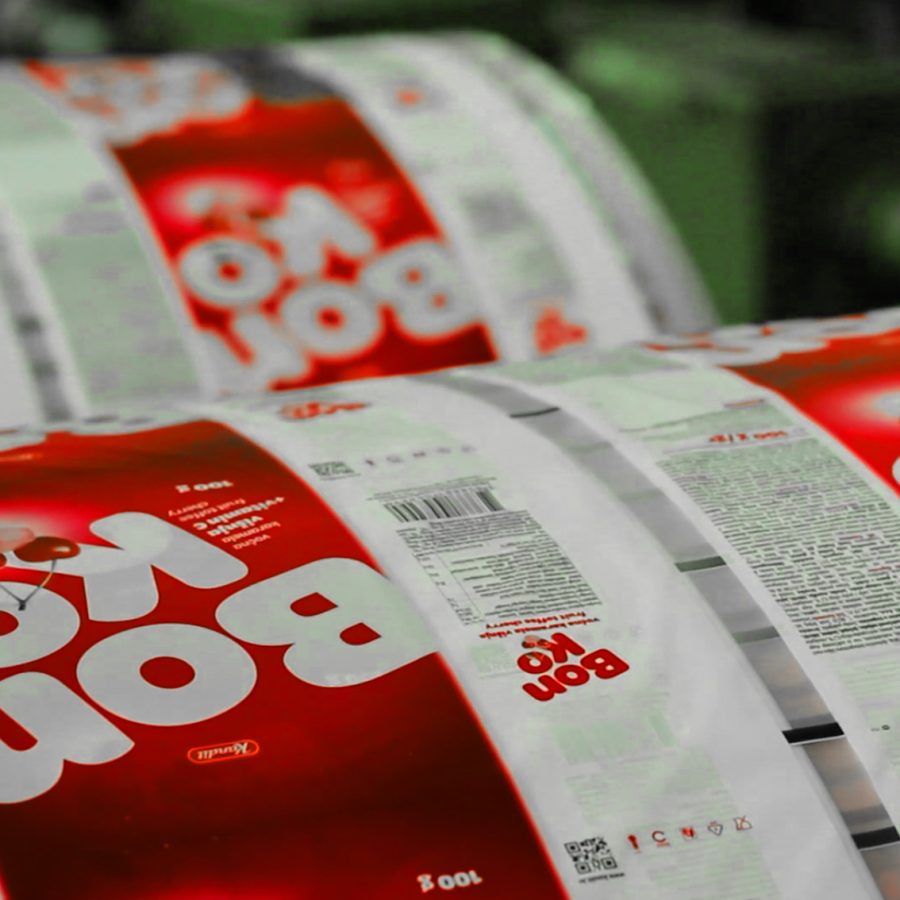

Packaging for Fats
Reliable packaging that doesn't let a single drop through – safety and premium presentation for butter and vegetable fats.

Greater water vapor barrier

Greater resistance to fats and oils

Greater protection
from light
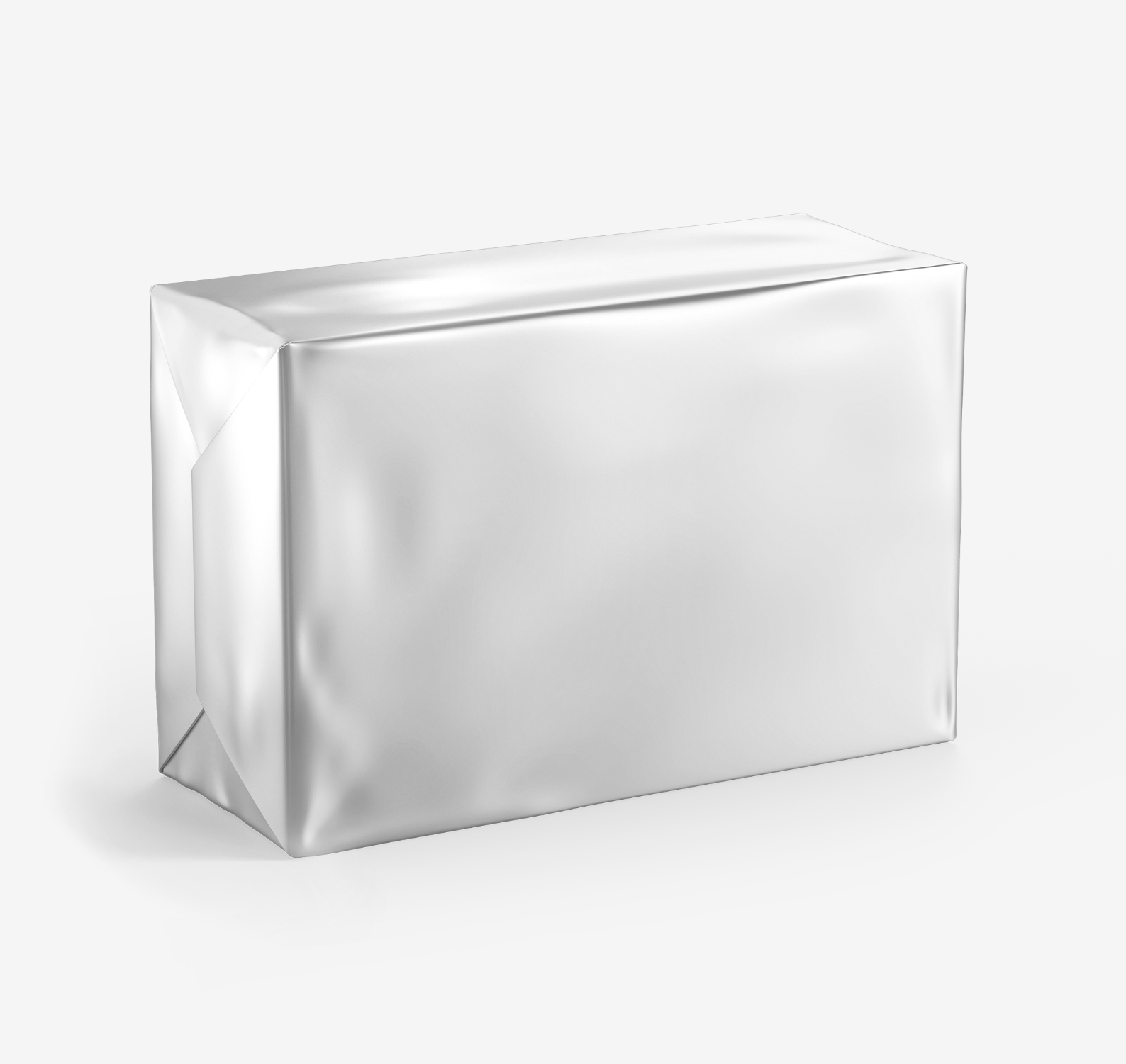
Packaging for Fatty Products
Packaging for fats, such as butter, margarine, and vegetable shortenings, requires the use of specialized materials that offer a perfect barrier against water, fats, and external influences. Non-porous materials are essential to completely prevent the migration of fats to the packaging surface, preserving both cleanliness and an impeccable consumer experience.
High-quality papers such as kraft, glassine, and parchment are most commonly used due to their density, smoothness, and non-porous structure. For products like butter, laminated aluminum foil combined with paper is especially notable—this structure delivers several key benefits:
- Greater water vapor impermeability protects fats from external moisture, helping maintain their texture and extend shelf life.
- Enhanced protection against light prevents degradation and rancidity due to UV and visible light. Aluminum foil, thanks to its high reflectivity, also provides extra protection from heat.
- Greater resistance to fats and oils blocks fats from migrating through the packaging, preventing greasy stains and preserving the package’s appearance throughout the entire distribution chain.
The flexibility and pliability of these materials enable easy forming and precise sealing, while opacity and reflectivity provide additional visual protection and a premium-quality feel. Such packaging not only guarantees freshness and flavor preservation but also enhances overall brand value in the eyes of consumers.
Fat packaging must be more than just a wrapper—it is a technological barrier that preserves quality, extends shelf life, and ensures a flawless visual identity for the product, with no compromise on safety or functionality.
| Symbol | Meaning |
|---|---|
|
Enhanced protection against light |
|
Greater water vapor impermeability |
|
Greater resistance to fats and oils |
| Material | Water Vapor Barrier | Oxygen Barrier | Fat & Oil Barrier | Light Protection | Aroma & Flavor Retention |
|---|---|---|---|---|---|
| Paper / PE | 🟢🟢 | 🟢 | 🟢🟢🟢 | 🟢🟢 | 🟢 |
| AL / Wax / Paper | 🟢🟢🟢 | 🟢🟢🟢 | 🟢🟢🟢🟢 | 🟢🟢🟢🟢 | 🟢🟢🟢 |
| AL / Paper / PE | 🟢🟢🟢 | 🟢🟢🟢 | 🟢🟢🟢🟢 | 🟢🟢🟢🟢 | 🟢🟢🟢 |
| 🟢 | Poor | 🟢🟢 | Moderate | 🟢🟢🟢 | Good | 🟢🟢🟢🟢 | Excellent | 🟢🟢🟢🟢🟢 | Outstanding |
Material Structures and Technological Specifics of Fat Packaging
Production Specifics of Fat Packaging
The production of packaging for fats requires special attention in material selection and processing. The key challenge is to achieve complete impermeability to fats and oils while maintaining the strength and flexibility of the packaging. The lamination process must be precise, without the presence of pores or micro-channels, in order to prevent the migration of fats to the outer layer. Aluminum and wax layers require strict temperature and pressure control during production, as only perfectly executed lamination guarantees maximum barrier and cleanliness. Additionally, materials must have good printability and be flexible for automated cutting and folding lines.
Which products are included in this group?
Packaging with high impermeability to water vapor, light, fats, and oils is used for the following products:
- Butter (domestic and industrial)
- Margarines (classic, light, special spreadable margarine)
- Vegetable fats and hydrogenated fats
- Pork fat (solid or rendered)
- Ghee (clarified butter)
- Cocoa and chocolate spreads with a high fat content
- Cream and dairy spreads
- Table spreads with spices, herbs, or nuts
- Cooking and frying fats (vegetable, dairy, or animal origin)
- Industrial fat-based toppings and fillings for confectionery and bakery use
- Specialty fats for the food industry (e.g. puff pastry margarine, fats for the chocolate industry)
- Tallow and similar animal fats intended for human consumption or industrial use
This packaging is especially important for products that are:
- prone to rancidity and oxidation under the influence of light and oxygen,
- susceptible to the migration of fats and oils through the wrapper,
- exposed to various temperatures during storage and distribution,
- intended for long-term storage or export.
Packaging Specifics by Material Groups
Papir / PE (Paper / PE)
An economical solution for products with low to medium sensitivity to oxidation and moisture, but with pronounced barrier properties against fats and oils.
- Good protection against grease stains thanks to the PE layer
- Medium barrier to water vapor and light
- Suitable for packaging margarine, lower-cost fats, or products with a shorter shelf life
AL / Wax / Paper
A multilayer combination that offers excellent protection against fats, moisture, and light.
- The wax in the middle further enhances impermeability to oils
- Aluminum provides a high barrier to water vapor, oxygen, and light
- Ideal for butter and fat-based toppings, as well as products requiring extended shelf life and maximum protection against rancidity
AL / Paper / PE
The most complex solution in this group, with multiple barrier layers.
- Excellent protection from all external factors: moisture, oxygen, light, fats, and odors
- Maximum purity and preservation of product texture and aroma
- The most common choice for premium butter, delicatessen fats, and products intended for long-term storage and transport
Common Technological Features
- Total impermeability to fats and oils – All materials are designed to prevent fat migration through the packaging, maintaining hygiene and product aesthetics.
- Barrier to water vapor and light – Enables extended shelf life and prevents degradation caused by moisture and UV radiation.
- Resistance to folding and forming – Materials are flexible enough for easy wrapping around the product, yet strong and resistant to mechanical stress during distribution.
- Compatibility with automated production – All materials listed are suitable for use on modern lines for fast and precise packaging, sealing, and printing.