



Extrusion – The Key Foundation of Premium Flexible Packaging
State-of-the-art cast and blown extrusion lines enable Tipoplastika to produce three-layer films and highly efficient barrier materials.
With no compromise on quality, we create the foundation for every reliable, safe, and visually attractive packaging solution.




Extrusion
Extrusion at Tipoplastika – Flexibility in Every Layer
Extrusion is a key process in creating high-performance films that form the basis of modern flexible packaging. At Tipoplastika, we apply two state-of-the-art extrusion technologies: blown film co-extrusion and cast film extrusion, allowing us to achieve precise control over the mechanical and barrier properties of finished materials.
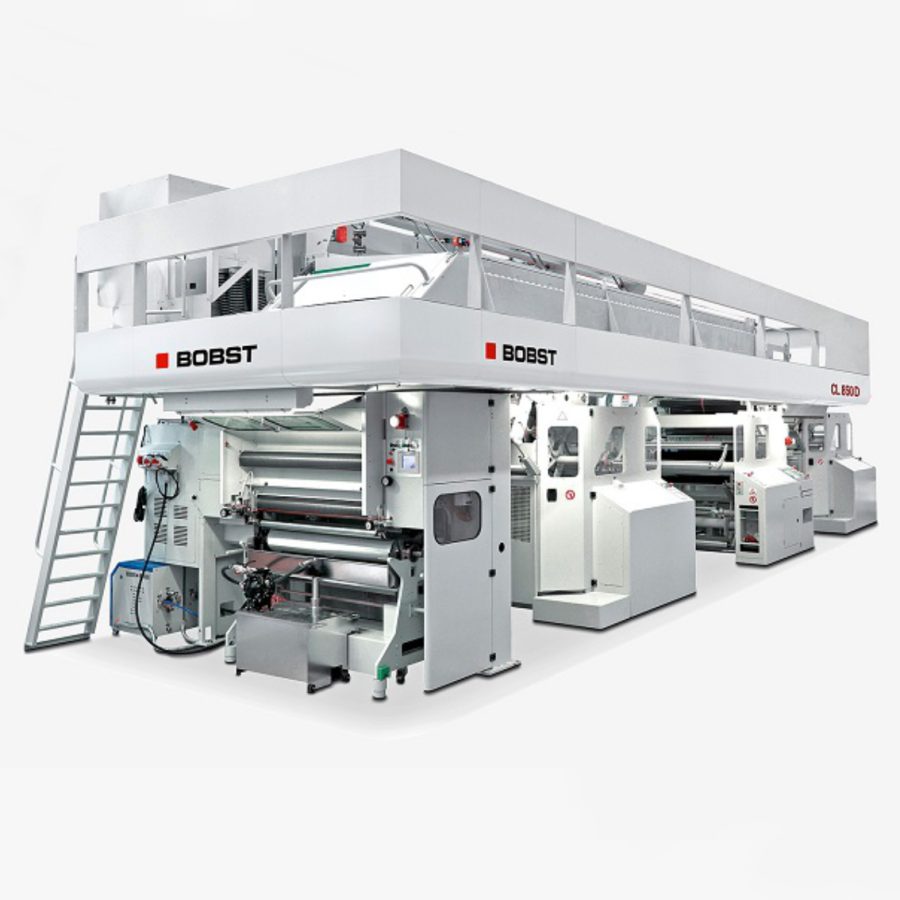
Blown Co-Extrusion – VAREX Line for Demanding Applications
Our VAREX is a highly automated three-layer blown co-extrusion line for polyethylene films. This technology enables the production of transparent, matte, and white films with various physical characteristics. By combining LDPE, LLDPE, and HDPE materials, we achieve optimal strength, elasticity, and barrier performance.
The process operates by shaping the thermoplastic material from the extruder into a cylindrical “tubular” film, which is then cooled, flattened, and precisely wound. The resulting film is used as the primary layer in packaging such as:
- Vacuum packaging
- Doypack pouches
- Frozen and fatty foods
- Products sensitive to moisture, oxygen, and light
Technical capacities:
- Film width: 250–1600 mm
- Extrusion output: up to 250 kg/h
- Materials: LDPE, LLDPE, HDPE
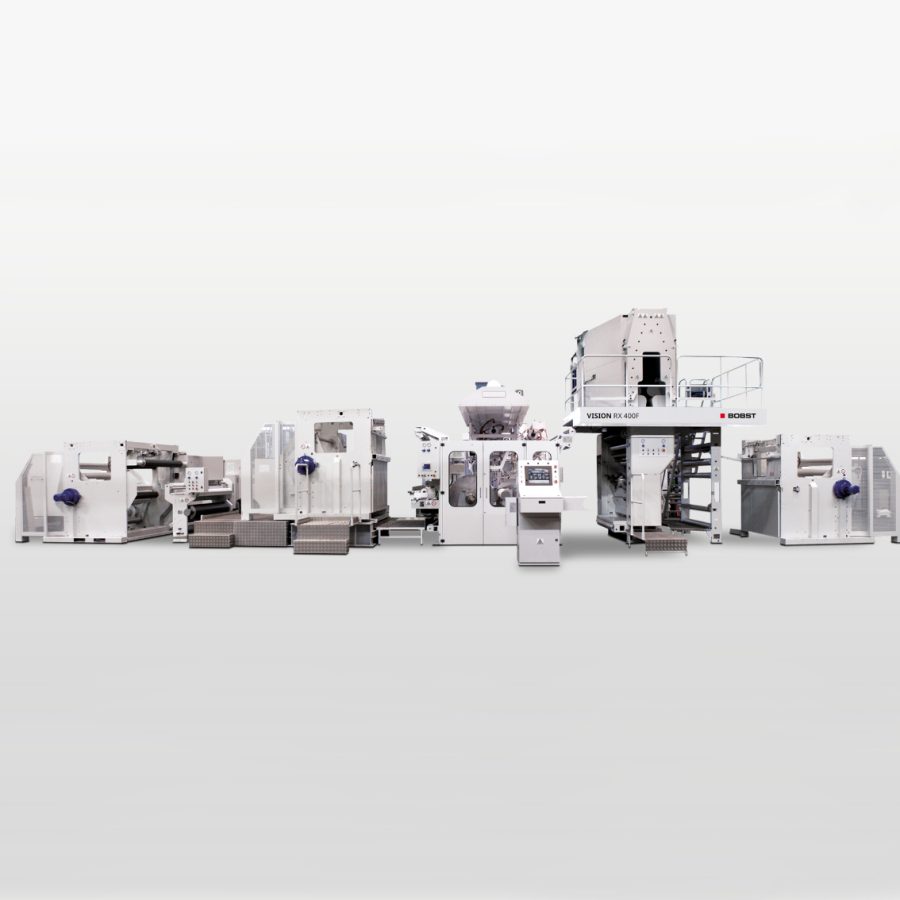
Cast Extrusion – RX 400F for Precise Lamination and Barrier Layers
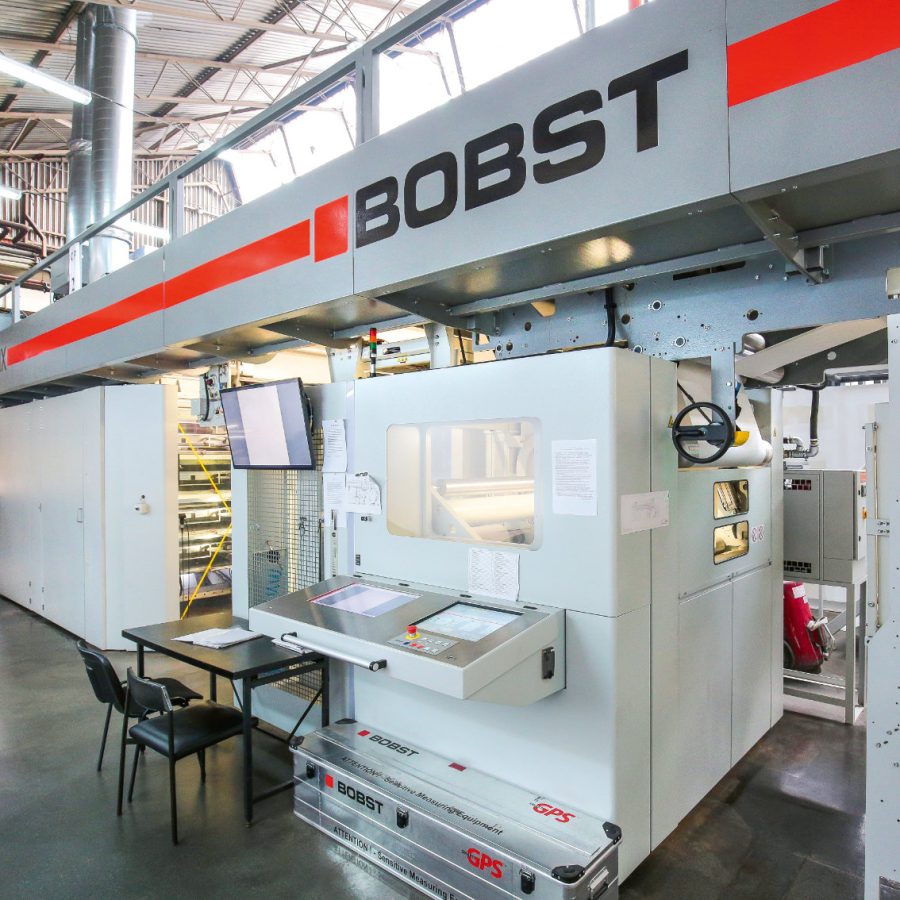
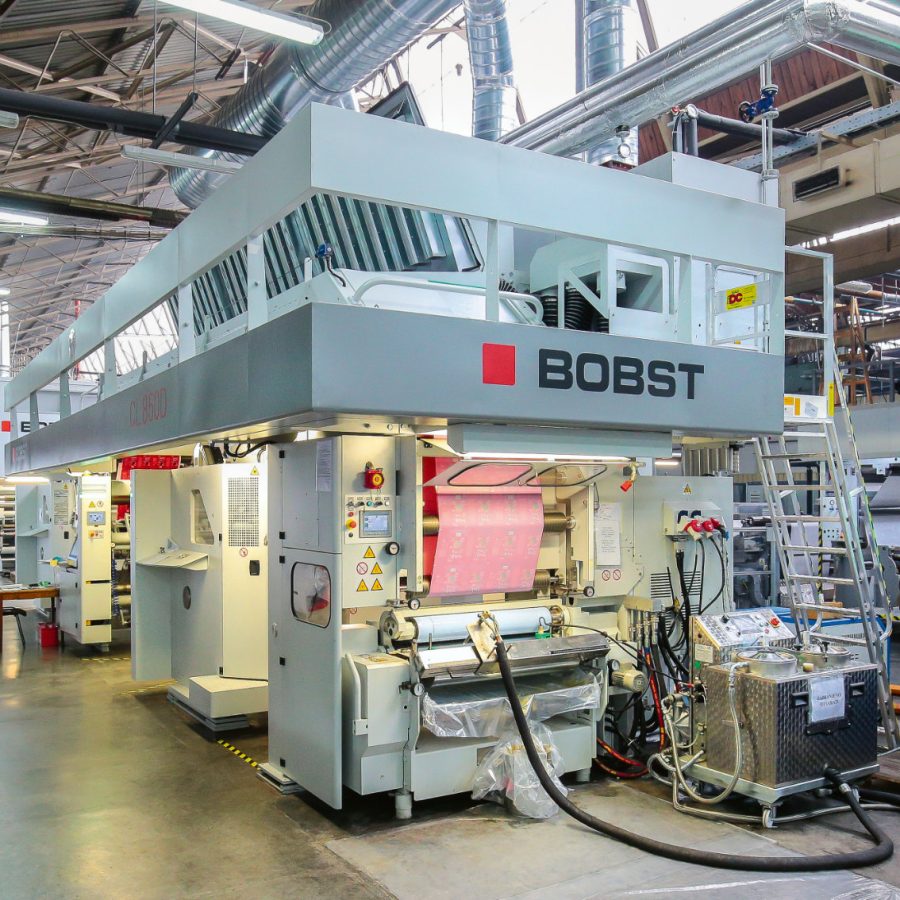
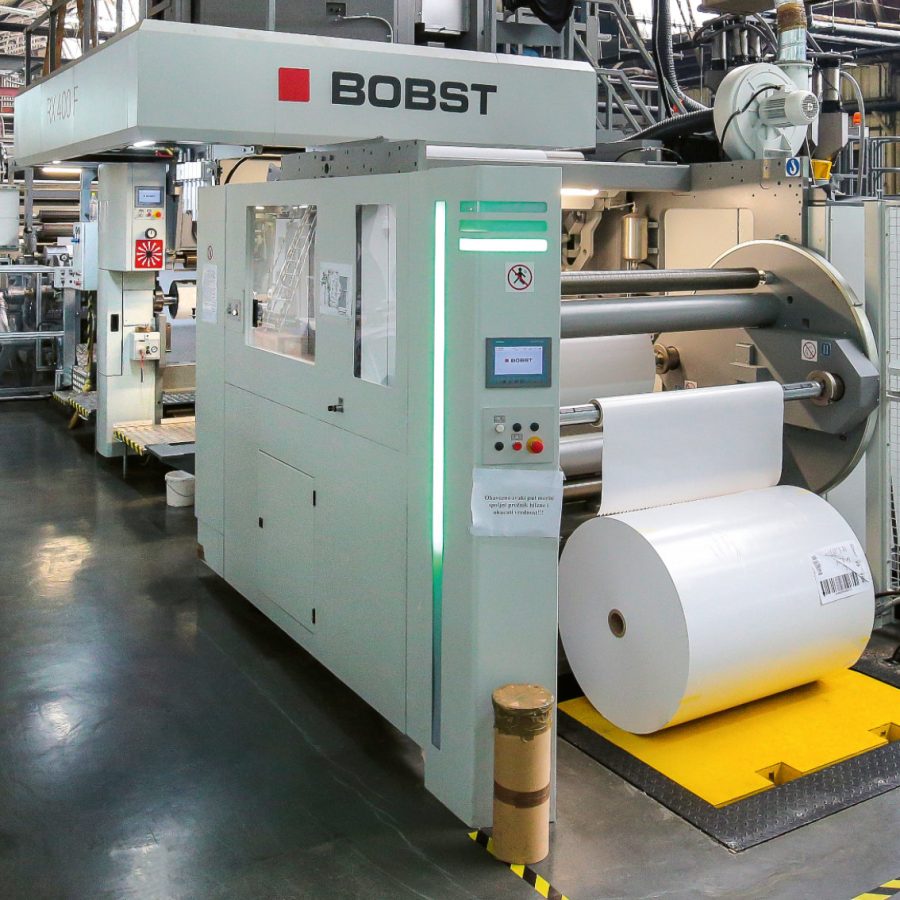
The BOBST RX 400F cast film extrusion line enables the production of precisely controlled films and the application of molten polymer directly onto substrates such as paper, aluminum foil, PET, BOPP, OPA, and laminates. This process is ideal for manufacturing high-barrier laminates and multilayer structures that require specific functional properties.
The RX 400F also supports coating with molten LDPE, PP, copolymers, and ionomers, along with the use of primers (solvent-based or water-based), resulting in outstanding adhesion and structural stability. Such films are indispensable in industries where barrier protection, visual clarity, and functional durability are of critical importance.
Technical capacities:
- Web width: 650–1290 mm
- Speed: up to 400 m/min
- Extrusion and coating in a single line
- Supported materials: LDPE, PP, copolymers, ionomers
Advantages of Tipoplastika’s Extrusion Films
✔ Moderate to high impermeability to moisture, oxygen, fats, and light
✔ Enhanced retention of product aroma and flavor
✔ Mechanical strength and suitability for vacuum packaging
✔ Reliable performance in extreme temperature conditions
✔ Broad range of applications: from food and pharmaceuticals to chemicals and cosmetics
✔ Adaptability in structure and design to meet brand and market needs
Extrusion as the Foundation of Modern Packaging
Whether serving as the primary barrier against external influences or as a functional layer ensuring visual stability and easier packaging conversion, our extrusion films represent the foundation of every reliable, safe, and visually distinctive package.
Advantages of Our Extrusion Films
The quality of the film determines the quality of the packaging. Our extrusion materials are carefully designed to meet the high demands of the market – from resistance to external influences and product preservation to complete functionality in different industries. Below we highlight the key advantages our films provide for your packaging.
Barrier Protection
Our films protect products from moisture, oxygen, grease, and UV radiation – extending shelf life and maintaining quality.
Flavor and Aroma Preservation
These films are designed to prevent aroma evaporation and entry of foreign odors – ideal for food, coffee, and cosmetics.
Low Temperature Resistance
Extrusion materials retain their properties even in deep-freeze conditions – without cracking, fraying, or loss of sealing.
Chemical and Mechanical Resistance
Resistant to fats, abrasion, and chemical agents, making them suitable for the food, chemical, and pharmaceutical industries.
Structure Adaptability
Layers are combined according to product requirements – from simple barrier films to complex multilayer laminates.
Recyclability
In accordance with sustainable packaging requirements, we also offer monomaterial structures suitable for recycling.
Dimensional Stability and Precise Control
Cast and blown extrusion ensure uniform thickness and exceptional process control – guaranteeing high reliability in conversion.
Excellent Printability
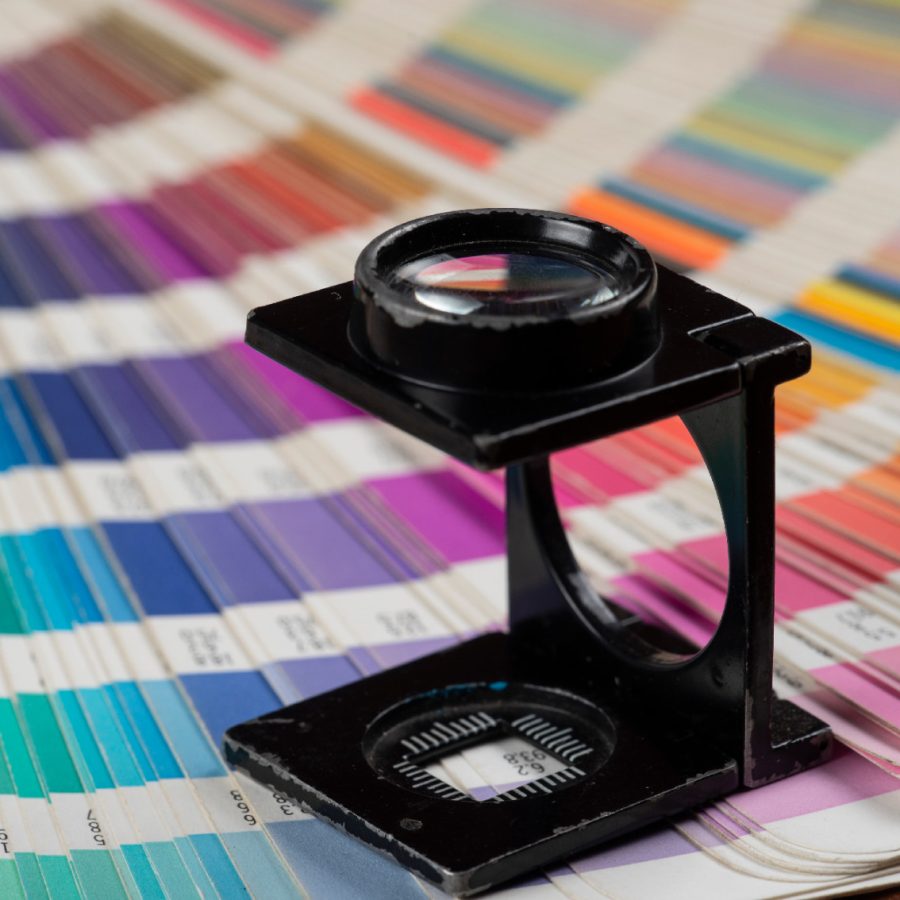
Perfect surface treatment enables high print quality, gloss, matte effects, and easy branding of packaging.
How Extrusion and Lamination Work in Modern Packaging
Extrusion offers speed, efficiency, and recyclability, while lamination provides flexibility in material selection and more complex structures. The ideal packaging solution often combines both technologies – for maximum functionality and outstanding aesthetics.
In the world of flexible packaging, the terms "extrusion" and "lamination" are often used together, as both processes are used to create multilayer structures that combine functional, mechanical, and visual properties. While the final result may look similar, the main difference lies in how layers are joined and the types of materials used.
What is extrusion?
Extrusion is a process where granules are melted in an extruder, then formed into a film or used as a melt to coat other substrates. It is applied in three main forms:
- Blown film coextrusion
- Cast film extrusion
- Extrusion lamination
Advantages of extrusion:
- Direct formation of layers
- Resistance to moisture, oxygen, grease, and UV radiation
- Recyclability
- Lower costs for simple structures
What is lamination?
Lamination (or adhesive lamination) is the process of bonding two or more layers with adhesive. It is often used to combine materials that cannot be joined by extrusion.
Types of lamination:
- Solvent-based and solventless adhesive lamination
- Cold seal lamination
Advantages of lamination:
- Ability to combine different materials
- Precise adhesive thickness control
- Flexible combinations for various industries
Comparison Table: Extrusion vs. Lamination
| Requirement | Best Choice |
|---|---|
| Fast monomaterial production | Extrusion |
| Combining different materials | Lamination |
| Recyclability required | Extrusion |
| Cost optimization | Extrusion |
| Layers that cannot be thermally bonded | Lamination |
| Multilayer structure with adhesive | Lamination |
| Direct layer application to a substrate | Extrusion lamination |

Extrusion as the Foundation of Reliable Packaging
Whether you need a moisture barrier, freeze resistance, or a perfect base for printing, our extrusion films deliver a solution tailored to your product. With advanced technology and a flexible approach, Tipoplastika provides functionality, safety, and visual appeal – all in a single layer, or in multiple layers.