




Packaging for Frozen Food
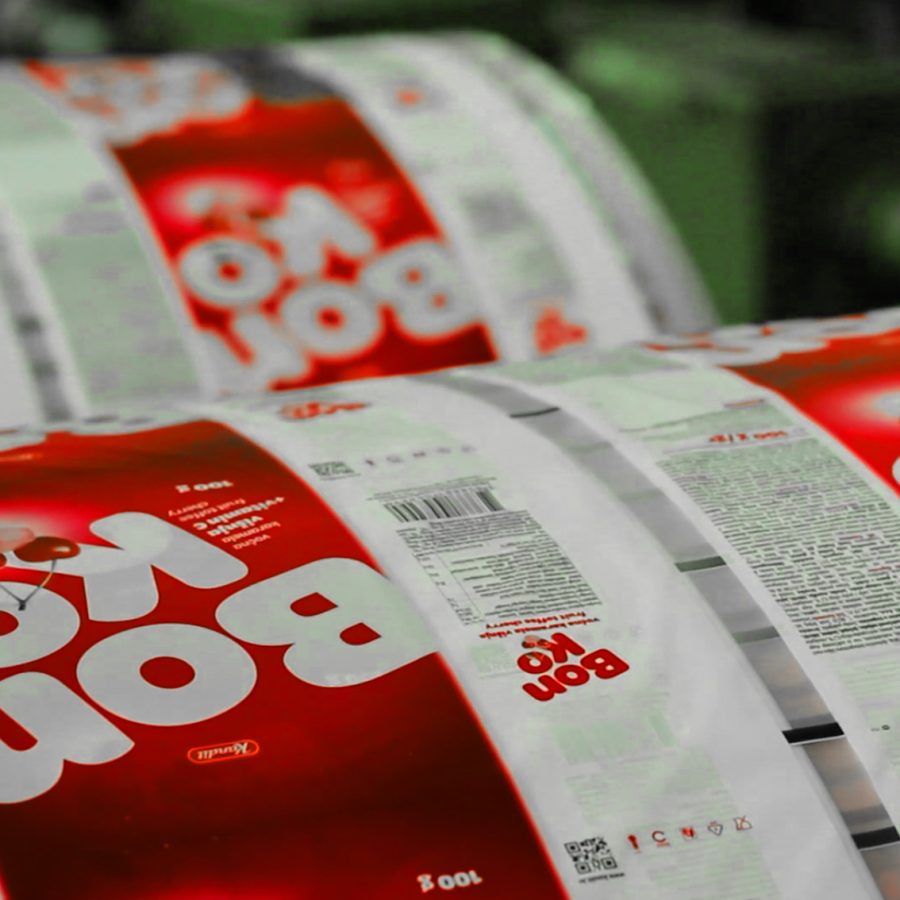
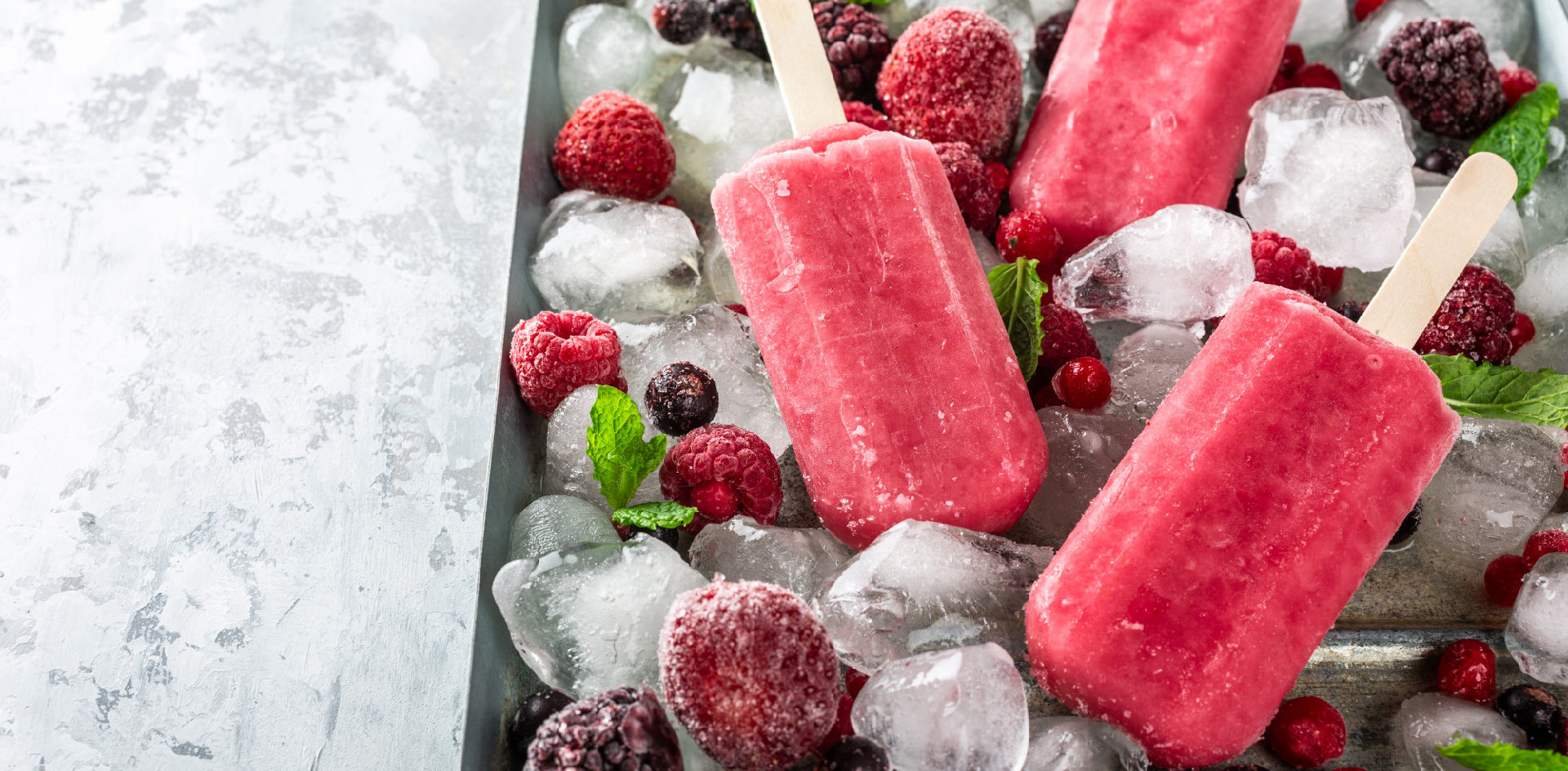
Frozen, yet always fresh – advanced packaging for ice cream, fruit, vegetables, meat, and seafood, preserving taste and shape without compromise.

Greater Water Vapor Barrier

Greater Resistance to Low Temperatures

Increased Mechanical Strength

Packaging for Frozen Food
Packaging for frozen food products requires high-performance solutions, tailored to the specific challenges posed by low temperatures and extended storage periods. Whether it is frozen fruit, vegetables, meat, fish, or seafood, every product must remain protected from changes in structure, loss of quality, and external influences—from the moment of freezing to preparation at home.
Greater water vapor impermeability is essential—an effective barrier prevents external moisture from entering and condensation from forming, preserving both texture and nutritional value. Thanks to this property, frozen fruits and vegetables do not stick together, do not develop “ice crystals,” and remain separated even after long storage periods.
Enhanced resistance to low temperatures ensures that the packaging maintains its flexibility and strength even at extremely low temperatures. Materials are selected so they do not crack, break, or become brittle, which is crucial for safety during transport, storage, and handling.
Increased mechanical resistance prevents leakage, splashing, and damage from impacts, pressure, and frequent changes in position during storage. Specially designed seals (welded seams) remain strong and stable even in the freezer, guaranteeing the package’s airtightness.
Our solutions include multilayer materials that allow for high-quality printing, excellent light protection, and the possibility of various formats. This way, every frozen product reaches the end consumer with preserved taste, texture, and safety—just as on the day it was packed.
| Symbol | Meaning |
|---|---|
|
Greater water vapor impermeability |
|
Increased mechanical resistance |
|
Enhanced resistance to low temperatures |
| Material | Water Vapor Barrier | Oxygen Barrier | Barrier to Fats and Oils | Aroma & Flavor Retention | Suitability for Vacuum & Inert Gas Packaging | Low Temperature Resistance | Mechanical Strength |
|---|---|---|---|---|---|---|---|
| PE | 🟢🟢🟢 | 🟢 | 🟢🟢 | 🟢 | 🟢 | 🟢🟢🟢🟢 | 🟢🟢 |
| PET / PE | 🟢🟢🟢 | 🟢🟢 | 🟢🟢🟢 | 🟢🟢 | 🟢🟢 | 🟢🟢🟢🟢 | 🟢🟢🟢🟢 |
| PE / PE | 🟢🟢🟢 | 🟢 | 🟢🟢 | 🟢 | 🟢 | 🟢🟢🟢🟢 | 🟢🟢 |
| 🟢 | Poor | 🟢🟢 | Moderate | 🟢🟢🟢 | Good | 🟢🟢🟢🟢 | Excellent | 🟢🟢🟢🟢🟢 | Outstanding |
Material Structures and Technological Specifics of Frozen Food Packaging
Production Specifics of Packaging
The production of packaging for frozen food requires a careful selection and processing of polymer materials in order to achieve optimal barrier and mechanical properties. The main challenges include maintaining flexibility and strength at low temperatures, as well as ensuring impermeability to water vapor, oxygen, and fats. The extrusion and lamination process must be precisely controlled to prevent microcracks, fogging, or loss of hermeticity during freezing and thawing. Special attention is paid to the quality of sealing (seams), as the joints must remain stable and elastic even at deep-freeze temperatures.
Which products belong to this group?
Packaging made from PE, PET/PE, or PE/PE materials is used for a wide range of frozen food products, including:
- Frozen fruits and vegetables (blueberries, raspberries, peas, corn, vegetable mixes)
- Frozen meat and meat products (chicken, pork, beef, ground meat, fillets)
- Fish and seafood (fillets, shrimp, squid)
- Ready-made frozen meals (lasagna, pizza, burek, vegetable and meat pies)
- Frozen bakery products (croissants, pastries, rolls, bread)
- Frozen soups, sauces, and semi-finished products
- Products intended for vacuum packaging or modified atmosphere packaging (delicacies, smoothie mixes, protein portions)
Packing Specifics by Material Groups — PE (Polyethylene):
- Good barrier to water vapor and fats, meeting the basic requirements for frozen products
- Excellent resistance to low temperatures, preventing brittleness and cracking during freezing
- Basic mechanical resistance, suitable for less demanding packaging (simple bags for fruits and vegetables)
PET / PE:
- The combination of PET and PE provides enhanced barrier properties, especially against oxygen and aromas.
- Excellent resistance to low temperatures and very good mechanical strength – suitable for packaging that is frequently transported and exposed to impacts.
- Ideal for products that require preservation of flavor and aroma, or for products that are vacuum packed or packaged in a modified atmosphere.
PE / PE:
- The two-layer PE structure increases hermeticity and the strength of the seal.
- Medium barrier to oxygen and aroma, but excellent against moisture and fats.
- Most commonly used for classic frozen products with a shorter shelf life and lower sensitivity to oxidation.
Common technological features
- Flexibility and resistance to low temperatures – all materials retain elasticity and strength, preventing cracking and loss of packaging integrity in the freezer.
- Effective water vapor barrier – prevents moisture penetration and ice formation, preserving the texture and quality of products during storage.
- Increased mechanical resistance – ensures that packaging withstands transport, handling, and storage without leaking or bursting.
- Vacuum packaging and modified atmosphere packaging capability – especially with PET/PE structures, this enables longer shelf life and preservation of aroma and nutritional value.