




Packaging for Pasta and Dehydrated Food
Your products without compromise: resistant to moisture, strong under pressure, perfect for every table.

Greater water vapor barrier

Increased mechanical resistance (leakage, splashing, etc.)

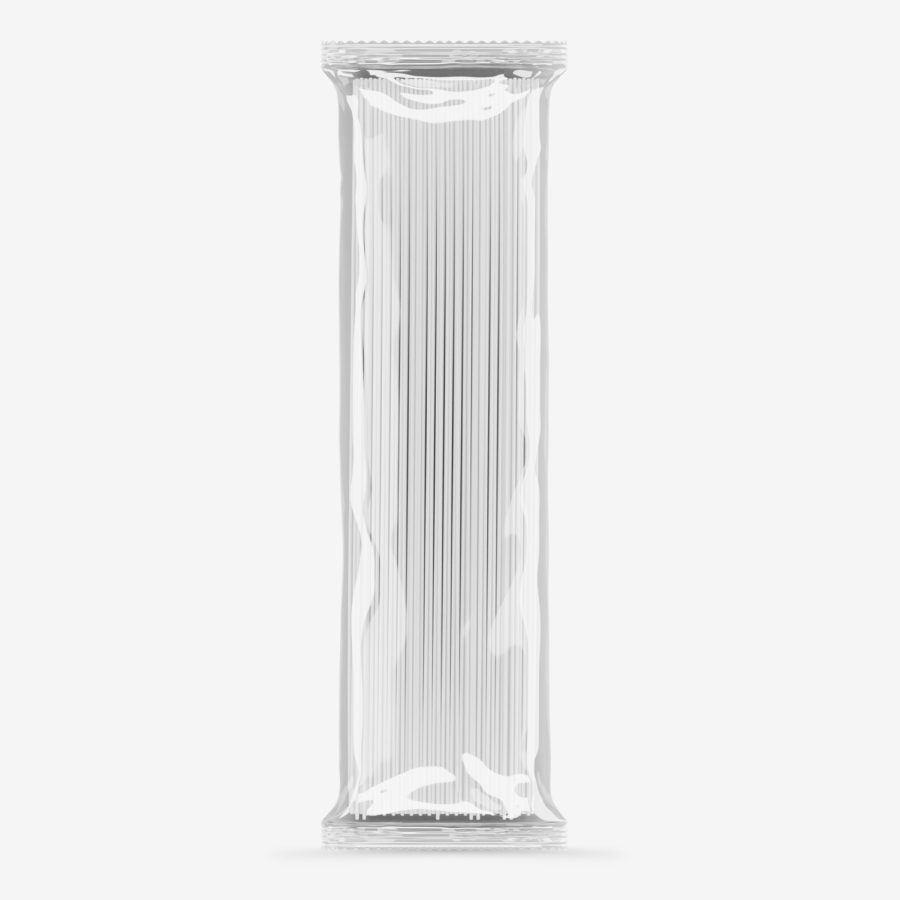
Packaging for Pasta, Noodles, and Dehydrated Food
Pasta and dehydrated foods are products of high nutritional value, yet they are extremely sensitive to the effects of moisture, oxygen, and, for certain items, foreign odors and light. Any unwanted moisture ingress can lead to partial softening, loss of texture, and compromised product safety, while oxygen ingress causes oxidation and loss of both nutritional and sensory properties. That is why selecting the right packaging is critical for preserving freshness and extending the shelf life of these products.
Greater water vapor impermeability is one of the main requirements for this type of packaging. Barrier-enhanced materials prevent moisture from entering the package from the environment, thus maintaining the optimal dryness of the product. This feature is crucial not only for retaining the texture of pasta and dehydrated food, but also for preventing clumping, accelerated degradation, and loss of nutritional value. Especially for instant products, even minimal contact with moisture can result in a loss of functionality and consumer dissatisfaction.
Increased mechanical resistance is another key requirement of modern packaging for dehydrated products. During transport, storage, and handling, packaging is exposed to various mechanical stresses—impacts, pressure, and bending. High-performance packaging materials provide protection against leakage, splashing, and accidental opening, ensuring the product’s safety from the production line to the end consumer. This is particularly important for packaging intended for vacuum sealing or inert gas filling, where maintaining airtightness is essential for extending shelf life and preventing external contamination.
Modern multilayer materials offer additional benefits—preserving aroma, protecting against foreign odors, and preventing the ingress of oxygen and light, which is especially important for fattier or aromatic types of dehydrated food.
By properly selecting packaging with enhanced water vapor impermeability and high mechanical resistance, pasta and dehydrated foods remain protected, tasty, and functional until the moment of use. This not only extends shelf life, but also raises overall consumer satisfaction and positions the brand as reliable and high-quality in the market.
| Symbol | Meaning |
|---|---|
|
Increased mechanical resistance |
|
Greater water vapor impermeability |
| Material | Water Vapor Barrier | Oxygen Barrier | Aroma & Flavor Retention | Mechanical Strength |
|---|---|---|---|---|
| PET / PE | 🟢🟢🟢 | 🟢 | 🟢 | 🟢🟢 |
| PET / AL / PE | 🟢🟢🟢 | 🟢🟢 | 🟢🟢 | 🟢🟢🟢🟢 |
| OPP / CPP | 🟢🟢🟢 | 🟢 | 🟢 | 🟢🟢 |
| 🟢 | Poor | 🟢🟢 | Moderate | 🟢🟢🟢 | Good | 🟢🟢🟢🟢 | Excellent | 🟢🟢🟢🟢🟢 | Outstanding |
Modern packaging solutions for pasta, instant meals, and dehydrated foods
Material Structures and Technological Specifics of Packaging for Pasta and Dehydrated Food
Specifics of Packaging Production
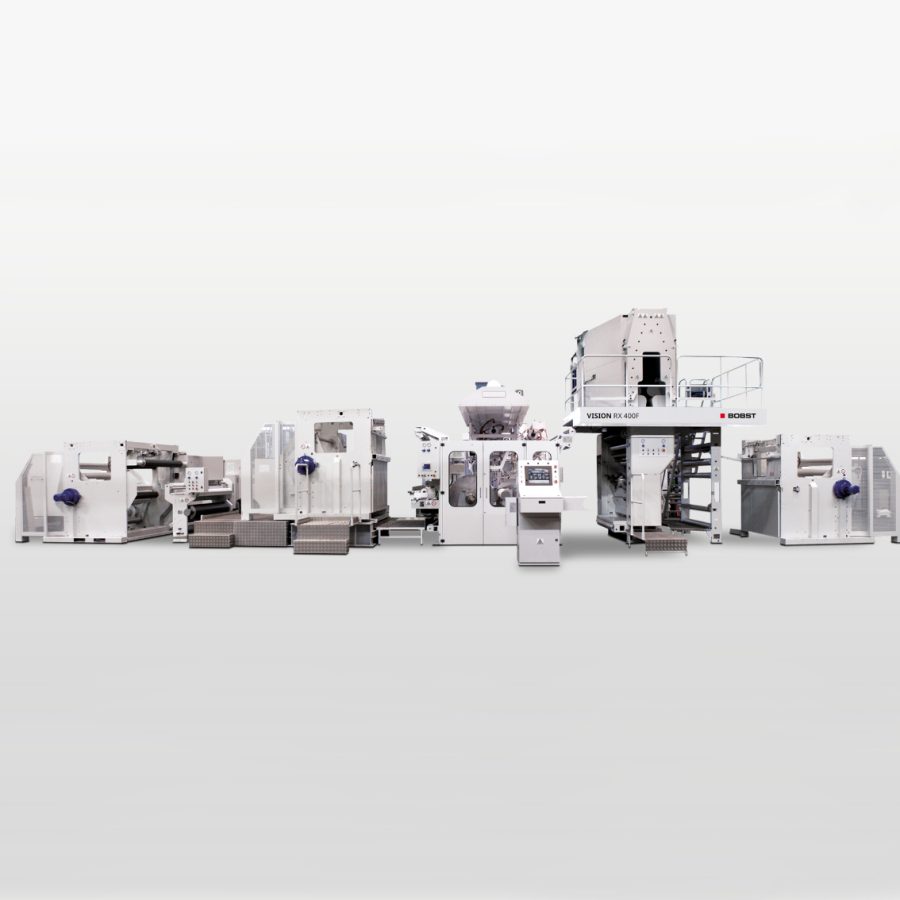
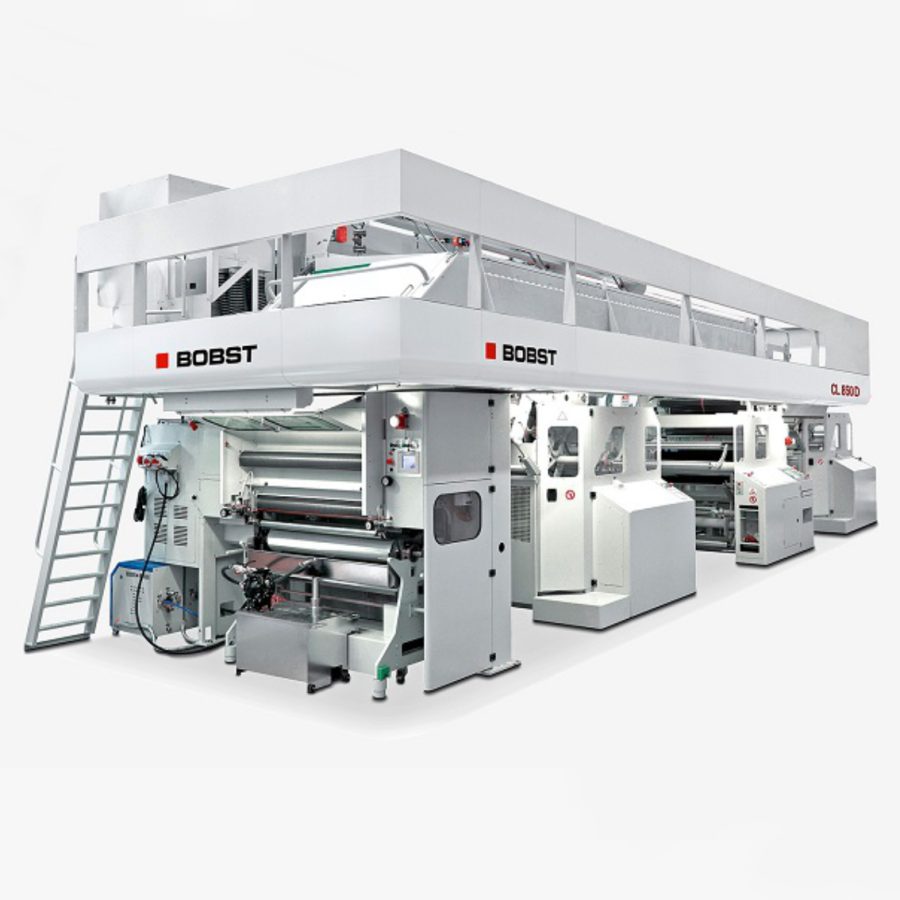
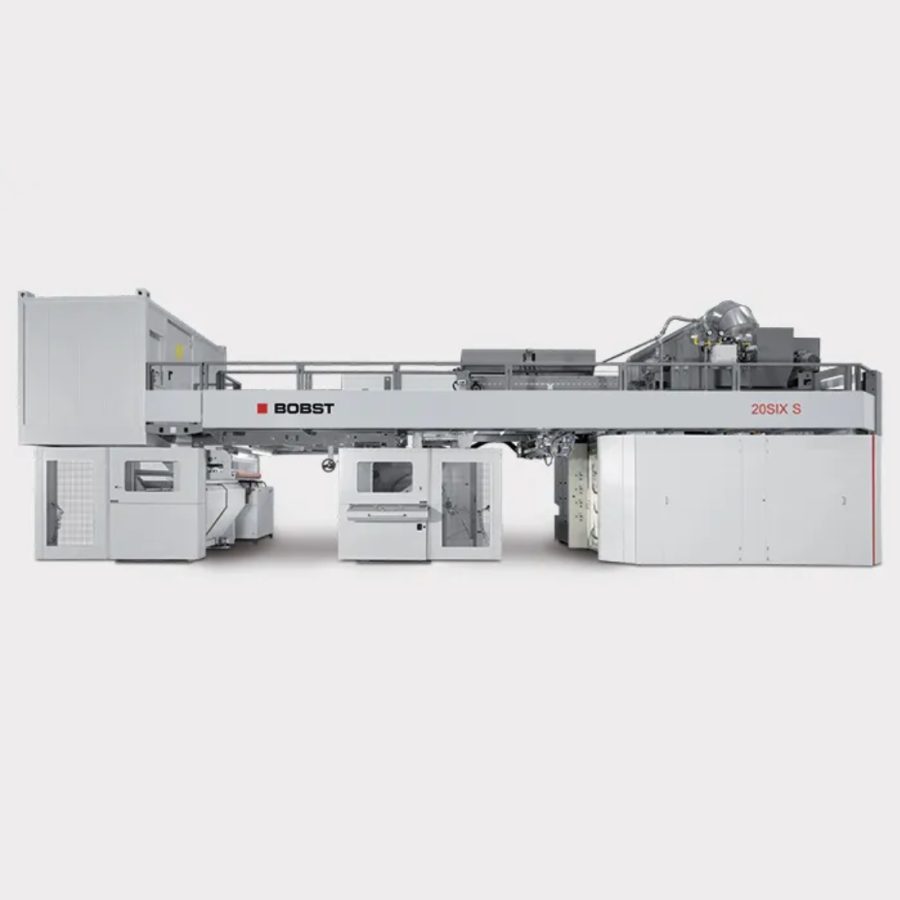
The production of packaging for pasta and dehydrated products involves the creation of multilayer materials with clearly defined barrier and mechanical properties. The key challenge is the precise lamination of layers (PET, AL, PE, OPP, CPP) to achieve uniform thickness, stable joints, and complete impermeability to moisture, oxygen, and odors. The manufacturing process must provide a high degree of homogeneity and resistance to bending and sealing, especially for formats intended for vacuum packaging or inert gas filling.
For materials with aluminum (e.g., PET/AL/PE), rigorous control of lamination and sealing is required to avoid microchannels or delamination that can compromise barrier properties. The quality of the PE layer is crucial for good sealability, while PET and OPP provide the necessary strength and printability of the packaging.
All materials must be tested for resistance to splashing, leakage, and mechanical impacts, and production is most often integrated with automated lines for rapid forming and filling of packages.
Which Products Belong to This Group?
Packaging with enhanced water vapor barrier and high mechanical resistance is used for a wide range of pasta and dehydrated products, including:
- Classic and whole wheat pasta (spaghetti, macaroni, fusilli, penne, lasagna, noodles, tarhana, etc.)
- Instant noodles and pasta (quick-cooking products with or without added seasonings and oils)
- Soups and ready-to-cook dehydrated soup mixes; dehydrated vegetables and fruits
(dried mushrooms, carrots, onions, tomato flakes, dried blueberries and cranberries, vegetable mixes for soup) - Pudding powders, instant polenta, instant mashed potatoes
- Dehydrated cereals and muesli
- Dairy powders
(milk powder, powdered cream, whey powder) - Protein and vitamin supplements in powder form
- Seasoning blends and dried spices
- Instant drinks and powders
(cocoa, instant coffee, chocolate drinks, fruit drink mixes) - Ready-to-eat instant meals
(dehydrated rice, goulash mixes, dry meals for campers and hikers)
This type of packaging is essential for all products that must remain dry, aromatic, and protected from external influences throughout their entire shelf life, whether stored on store shelves or at home.
Material-Specific Packaging Features
PET / PE
This combination is the most common solution for standard pasta and dried foods.
- Good water vapor barrier ensures product dryness and prevents clumping.
- Moderate mechanical resistance is sufficient for standard logistics and transport requirements.
- The oxygen and odor barrier is basic, so this structure is recommended for products less sensitive to oxidation and aroma changes.
PET / AL / PE
The ideal solution for high-value products, fatty dehydrated foods, or instant meals that require longer shelf life.
- Good to excellent water vapor barrier combined with multilayer aluminum protection enables almost complete isolation from external moisture and oxygen.
- Top-level mechanical resistance in the table, making this structure suitable for vacuum packaging, storage, and long-distance transport.
- This packaging also protects intense aromas and flavors, preserving the freshness and originality of the product.
OPP / CPP
A combination for basic protection and economical solutions, suitable for classic pasta and more affordable dehydrated products.
- Good water vapor barrier prevents unwanted texture changes.
- Moderate mechanical resistance meets standard handling needs but is not recommended for vacuum packaging.
- This structure provides a basic barrier to oxygen and odors, which is sufficient for products with a shorter shelf life or those less sensitive to oxidation.
Common Technological Features
- Automated production – All listed materials are compatible with modern automated lines for forming, filling, and sealing packaging, enabling high capacity and processing speed.
- Barrier protection as a priority – Regardless of material type, each layer has a clear function: PET and OPP provide strength and printability, PE provides sealing, and AL provides maximum barrier for moisture and oxygen.
- Resistance to physical and chemical influences – The packaging is designed to withstand storage, transport, and handling pressures without losing integrity and barrier properties.
- Format flexibility – Various packaging forms are possible: standard bags, vacuum packs, packs with inert gas, allowing optimal protection and visual presentation on the shelf.