





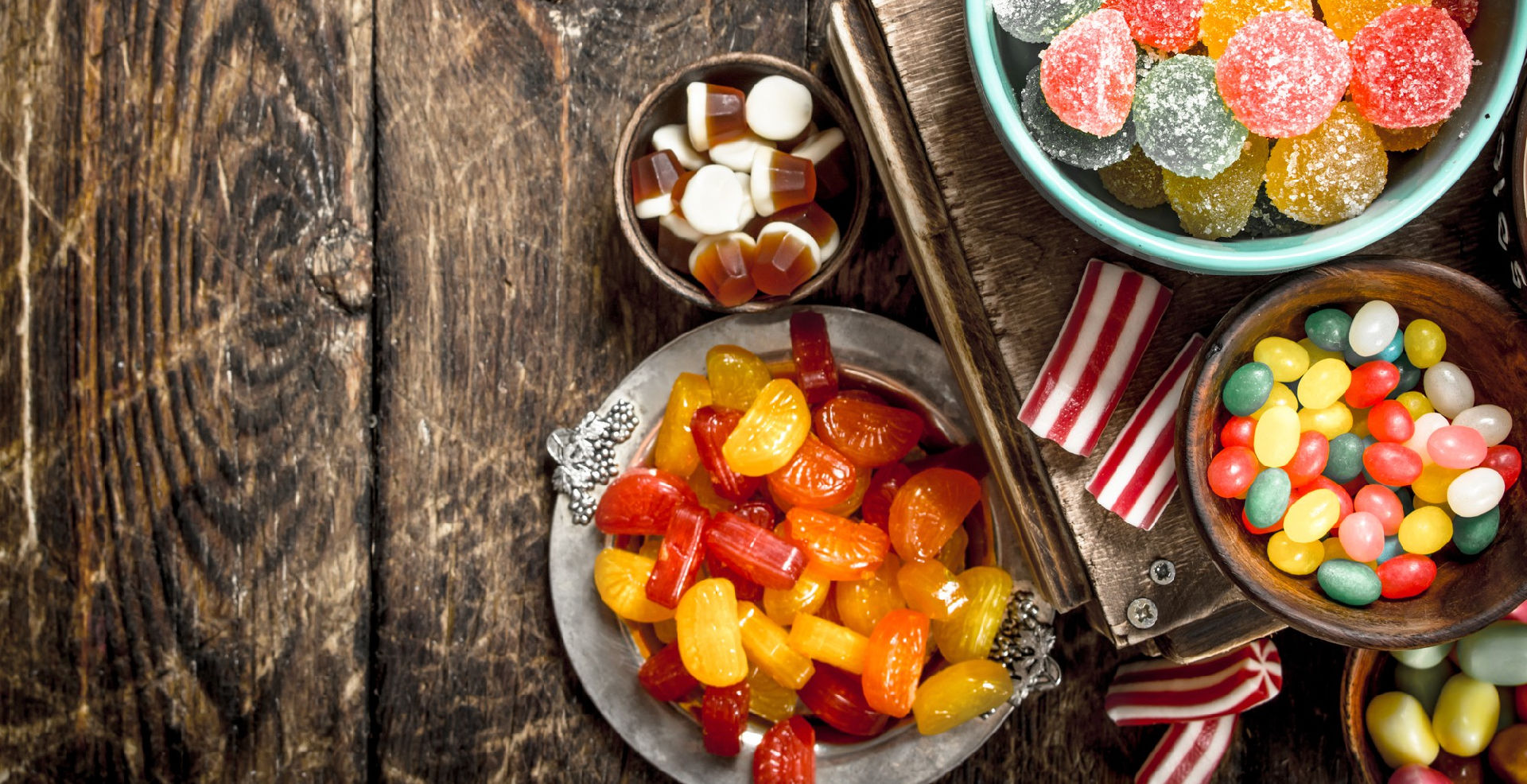
Packaging for Candies, Caramels, and Chewing Gum
Authentic flavor and perfect texture, from production to the very last bite – packaging that preserves everything that makes your sweet unique.

Greater water vapor barrier

Greater barrier to fats and oils

Greater barrier to oxygen
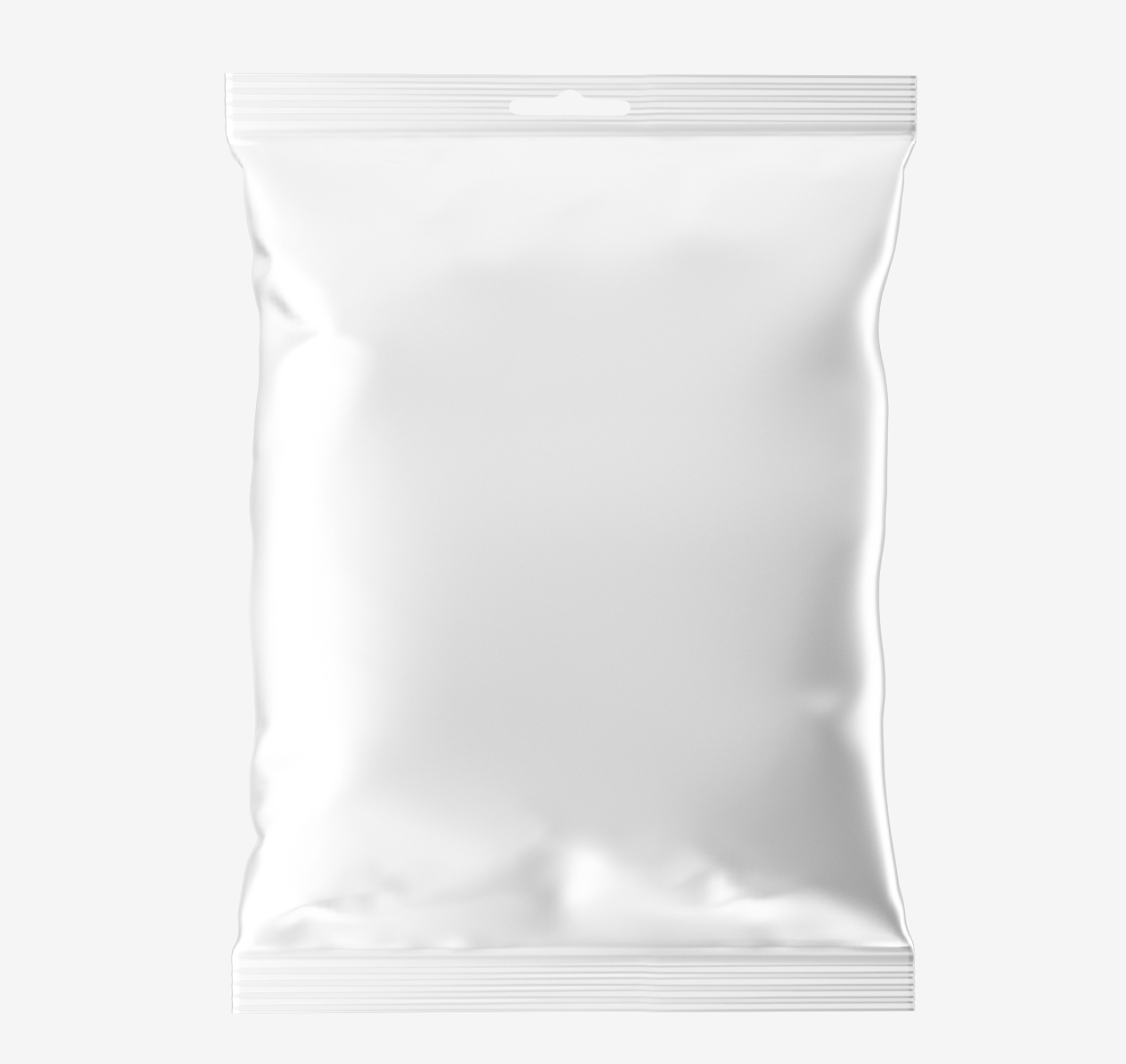
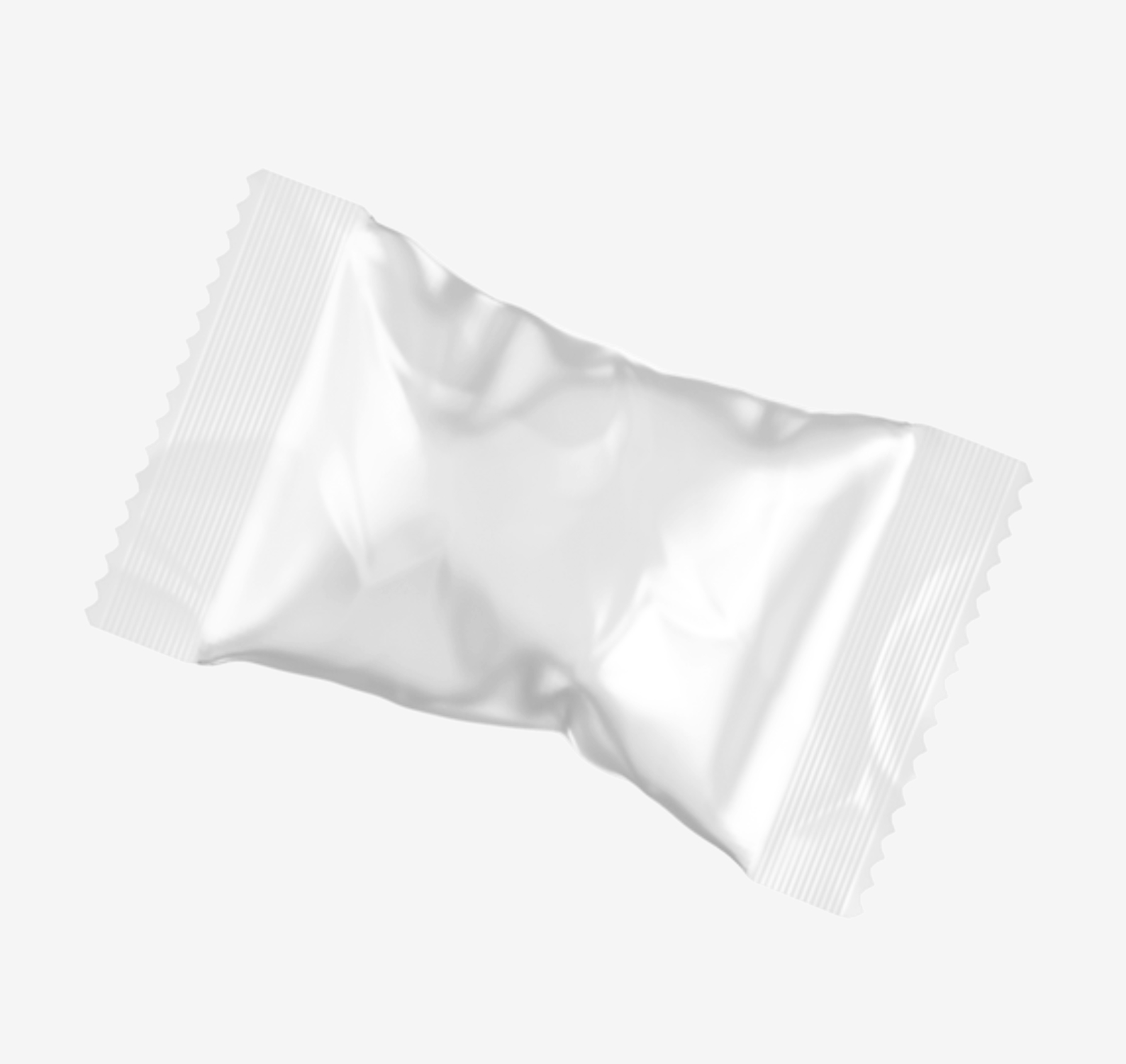
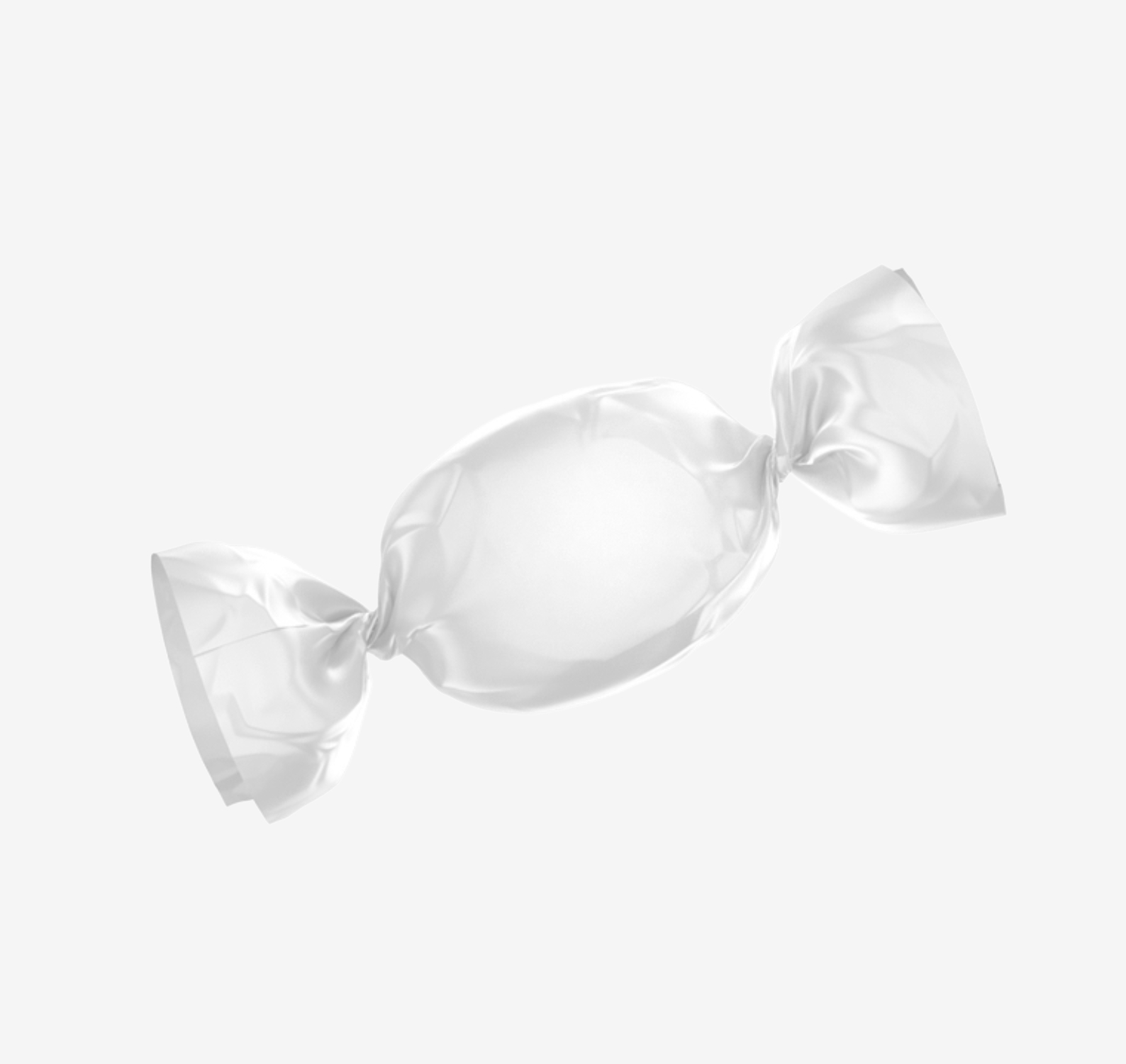

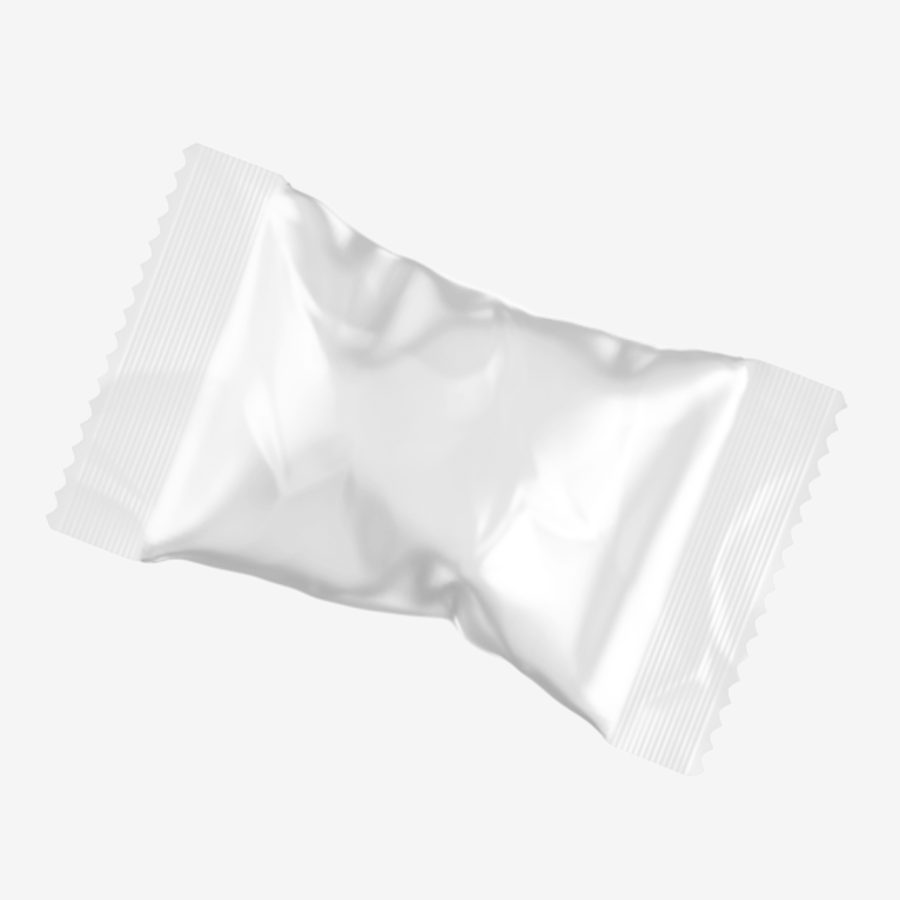
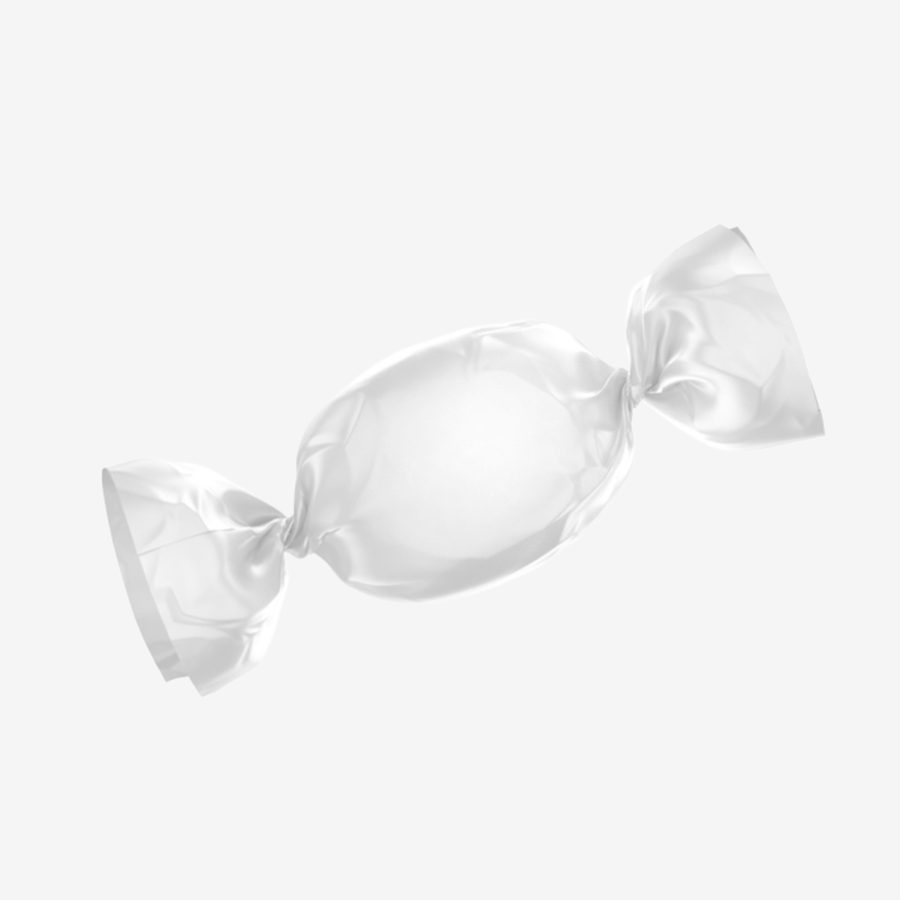
Packaging for Candies, Caramels, and Chewing Gum
Packaging for candies, caramels, and chewing gum presents a unique challenge due to the diversity of formulations and the high standards required for product quality preservation. Depending on the recipe, these products contain varying amounts of moisture, which directly influences the choice of material and packaging structure. Properly selected packaging must offer strong barrier properties to prevent stickiness and maintain the product’s structure.
In addition to basic moisture protection, resistance to external factors such as light, oxygen, and ambient odors is extremely important. Caramels, for example, require packaging that prevents fat migration, while candies are often sensitive to color changes and aroma. Chewing gum must be protected from absorbing external odors as well as from losing its specific aroma.
The packaging materials used for this product group must meet several key requirements to ensure optimal protection and extend shelf life. The first and most important characteristic is greater water vapor impermeability, allowing products to retain optimal moisture levels and preventing drying out or, conversely, the absorption of moisture from the environment. This is especially important for caramels and chewing gum, where even minimal changes in moisture can impact texture and the enjoyment of consumption.
The second crucial aspect is greater oxygen impermeability. The presence of oxygen can cause ingredient oxidation, lead to fat rancidity, or cause changes in the color and flavor of candies and caramels. Materials with high oxygen barrier properties significantly slow these processes, ensuring that the product stays fresh, visually appealing, and unchanged in flavor for longer periods.
The third key feature is greater resistance to fats and oils. Many products in this group, especially caramels, contain high levels of fats, which can migrate through the packaging, leave residue, or even affect the appearance and functionality of the package. Using materials with enhanced fat and oil barrier properties prevents such migration, preserves product cleanliness and stability, and reduces the risk of loss or change of flavor.
Implementing these features in modern packaging allows manufacturers to meet the highest standards of food quality and safety. Well-selected packaging not only protects the product from external influences but also enables longer storage, color and aroma preservation, and an attractive market presentation. All of these attributes contribute to a positive consumer experience and increase brand competitiveness in the market.
Based on the specific needs of clients, it is possible to choose from different material structures and types of closures. Each of the materials offered is thoroughly tested and fully compliant with current confectionery industry standards.
| Symbol | Meaning |
|---|---|
|
Cold seal |
|
Greater oxygen impermeability |
|
Cold seal |
| Water Vapor Impermeability | Oxygen Impermeability | Fat & Oil Impermeability | Light Protection | Aroma & Flavor Preservation | |
|---|---|---|---|---|---|
| OPP / OPP met | 🟢🟢🟢 | 🟢 | 🟢🟢🟢 | 🟢 | 🟢 |
| Papir / Wax | 🟢🟢 | 🟢 | 🟢🟢 | 🟢 | 🟢 |
| Papir / PE | 🟢🟢🟢 | 🟢 | 🟢🟢 | 🟢 | 🟢 |
| PET / PE | 🟢🟢🟢 | 🟢🟢 | 🟢🟢🟢 | 🟢 | 🟢🟢 |
| AL / Papir / Wax | 🟢🟢🟢 | 🟢🟢🟢 | 🟢🟢🟢 | 🟢🟢🟢🟢 | 🟢🟢🟢 |
| Papir / AL / Wax | 🟢🟢🟢 | 🟢🟢🟢 | 🟢🟢🟢 | 🟢🟢🟢🟢 | 🟢🟢🟢 |
| OPP met / OPP | 🟢🟢🟢 | 🟢 | 🟢🟢🟢 | 🟢 | 🟢 |
| OPP / OPP white | 🟢🟢🟢 | 🟢 | 🟢🟢🟢 | 🟢 | 🟢 |
| 🟢 | Poor | 🟢🟢 | Moderate | 🟢🟢🟢 | Good | 🟢🟢🟢🟢 | Excellent | 🟢🟢🟢🟢🟢 | Outstanding |
Packaging for Candies, Caramels, and Chewing Gum: The Role of Barrier Properties in Preserving Product Quality
Specifics in the Production of Candies, Caramels, and Chewing Gum
The production of candies, caramels, and chewing gum requires precise control of technological parameters due to a wide range of raw material compositions, physicochemical characteristics, and the expected sensory profile of the final product. Each group of these products presents specific technological challenges, while the common denominator is the need for stability during production, storage, and distribution.
Candies (hard and soft)
Sugar crystallization control: The key challenge with hard candies is preventing unwanted recrystallization during cooling and storage, which is achieved by the precise ratio of sucrose to glucose syrup, the appropriate cooking temperature, and the addition of anti-crystallization agents.
Moisture: Hard candies contain very little moisture (up to 2%), making them highly hygroscopic. Even the slightest change in relative air humidity during packaging can cause surface stickiness, blooming, or loss of transparency.
Soft candies and jellies: These contain more water and gelling agents (gelatin, pectin, agar), so it is important to control even drying and prevent moisture from escaping the matrix, which can lead to granulation, rapid hardening, or mold.
Caramels
Emulsification of fats: Caramels contain a significant amount of milk fat or vegetable oils, which requires excellent emulsion homogeneity and stability during thermal processing. Any error in the process can lead to fat separation or an uneven texture profile (layering, grainy structure).
Maillard reaction control: During the cooking and concentration of sugars and milk proteins, unwanted changes in color and flavor can easily occur due to an uncontrolled Maillard reaction, especially at higher temperatures and longer cooking times.
Moisture and fat migration: Maintaining the proper balance between moisture and fat content is crucial to achieving the desired softness and elasticity, as well as preventing fat migration into the packaging and rancidity.
Chewing gum
Raw material composition: The base consists of a chewing gum base (natural or synthetic), with sugars, polyols or sweeteners, flavors, and additives. The base must be perfectly homogeneous, free of impurities, and the entire process requires controlled melting and mixing.
Preservation of moisture and aroma: Due to the high content of sugars/polyols and hygroscopicity, gum is very sensitive to changes in moisture—hardening or softening can easily occur. Flavors are often highly volatile, so controlling their loss throughout the process and subsequent storage is critically important.
Microbiological stability: Due to the low water activity (aw), chewing gum is relatively stable, but inadequate packaging or contamination can allow for the growth of mold and undesirable microorganisms.
Common Technological Specifics
Precise processing temperature: All these products require strict temperature control during cooking, cooling, forming, and packaging. Temperature fluctuations can alter the viscosity of the mass, cause phase separation, or damage flavors.
Rapid processing and packaging: As many products tend to absorb moisture and oxidize immediately upon exposure to air, it is necessary to package them as quickly and hermetically as possible, using optimal materials with suitable barrier properties.
Protection from ingredient migration: Inadequate packaging can lead to the migration of fats, oils, or flavors from the product, which directly affects the organoleptic quality and visual appearance.
Sensory stability: Maintaining color intensity, aroma, and characteristic taste requires not only optimal formulation and process, but also effective protection from moisture and oxygen after packaging.
The confectionery industry—candies, caramels, and chewing gum—requires high-performance packaging due to the complexity of the composition and the products' sensitivity to moisture, oxygen, and fat migration. The correct choice of materials and their layered combination is crucial for the stability, safety, and sensory properties of the finished product.
Paper / PE
Laminating paper with polyethylene makes this structure one of the most commonly used for basic protection of products that are not highly sensitive to oxidation and moisture.
Barrier properties:
Water vapor: Good level of protection, the PE layer effectively prevents rapid moisture exchange, which is sufficient for candies and gums with low moisture content or products that are quickly consumed.
Oxygen: Limited barrier; not recommended for products sensitive to oxidation, such as caramels with milk fats.
Fats and oils: Good resistance to fat migration thanks to the PE layer, prevents greasy stains and degradation of packaging texture.
PET / PE
The multilayer combination of polyethylene terephthalate and polyethylene provides a better balance of barrier and mechanical properties.
Barrier properties:
Water vapor: High protection; PET significantly reduces water vapor diffusion, while PE further enhances moisture resistance.
Oxygen: Medium barrier; may be sufficient for moderately sensitive products, but not ideal for premium caramels.
Fats and oils: Excellent resistance; the PE layer reliably isolates the product from fat migration, which is especially important for caramels and soft chewing gums.
Paper / Al / PE
By adding an aluminum layer between paper and PE, a significantly enhanced barrier function is achieved.
Barrier properties:
Water vapor: Exceptionally high protection; aluminum blocks almost all moisture exchange, eliminating the risk of stickiness and crystallization.
Oxygen: Excellent barrier; the aluminum layer prevents oxidation, extends shelf life, and protects against changes in taste and smell.
Fats and oils: Very effective protection; the PE layer prevents greasy stains, while aluminum prevents interactions with external factors.
PET / Al / PE
This combination is among the most effective barrier structures in the confectionery packaging industry.
Barrier properties:
Water vapor: Maximum protection; the aluminum foil sandwiched between PET and PE practically eliminates moisture migration.
Oxygen: The highest level of barrier; suitable for products with high fat content and aromatic oils.
Fats and oils: Optimal protection; the PE layer is a reliable barrier against fat migration, while aluminum further protects the contents.
PET / OPP met / PE
A structure combining PET, metallized OPP, and PE layer provides outstanding performance in key parameters.
Barrier properties:
- Water vapor: High barrier; metallized OPP significantly reduces moisture ingress.
- Oxygen: Excellent protection; the metallization of the OPP layer results in very low oxygen permeability, which is crucial for preserving freshness and taste.
- Fats and oils: The PE layer provides very good resistance to fat and oil migration, making the structure suitable for a wide range of confectionery products.
OPP / OPP met / OPP
A typical “sandwich” combination of polypropylene films and metallized OPP.
Barrier properties:
- Water vapor: Good protection, meets the requirements for most candies and chewing gums.
- Oxygen: High barrier due to metallization; excellent for products sensitive to oxidation and aroma loss.
- Fats and oils: Satisfactory resistance, sufficient for medium-fat products.
With a strategic selection of multilayer materials with clearly defined barrier functions, the following is achieved:
- Extended shelf life and product stability even under demanding climatic and logistics conditions.
- Reduction of losses and complaints thanks to the elimination of problems such as stickiness, rancidity, and greasy stains.
- Maximum flexibility in industrial processing – all listed materials are easily processed on automated lines, allow for high-quality print, and support a variety of formats (single wrap, twist, flow pack).
- End-customer satisfaction, as the product reaches the consumer in optimal condition – without changes in texture, taste, aroma, or visual identity.
The optimal choice of structure depends on the product’s technological requirements, target market, and expected shelf life, but the essence lies in balancing barrier properties and functionality during packaging and distribution.